
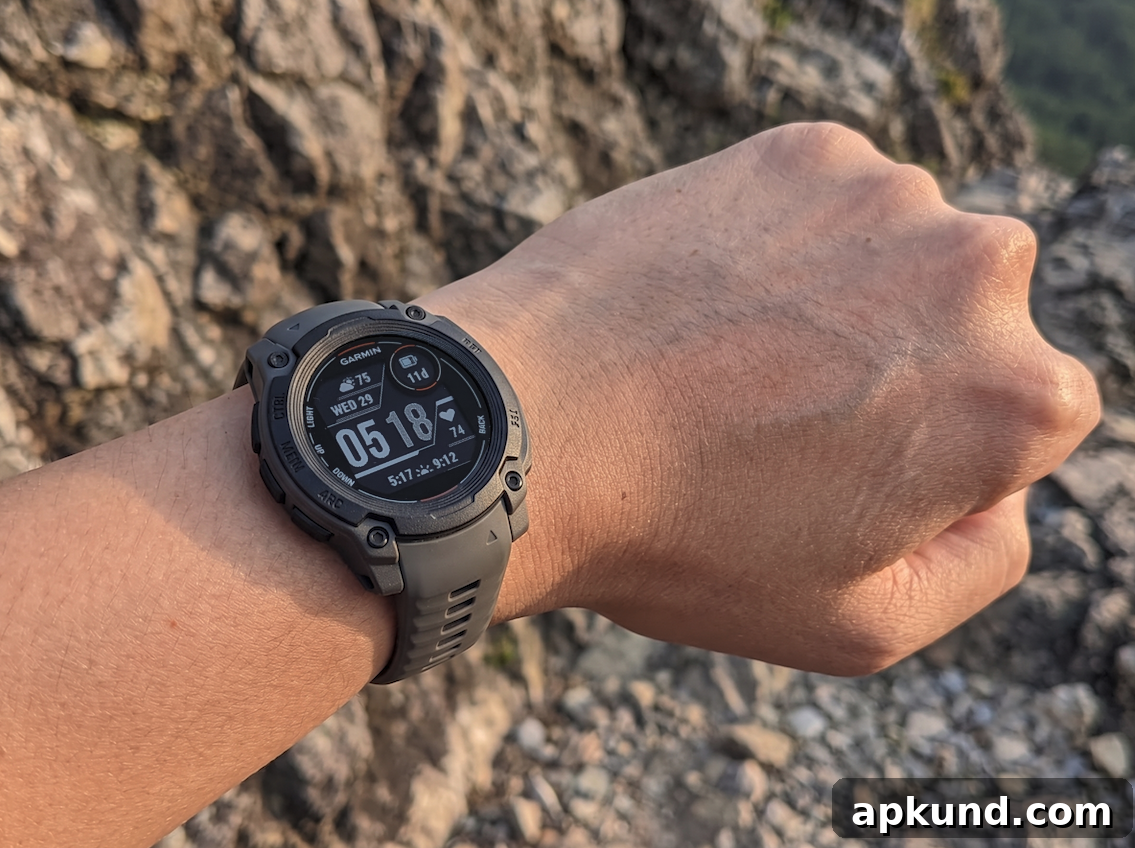
While smartwatches and fitness accessories from mainstream tech companies like Apple and Samsung have dominated headlines recently, specialized fitness-tech manufacturers remain a powerful force in the industry. Garmin is a prime example: the company reported record financial results for the second quarter of 2026, driven by strong demand across its fitness, marine, and aviation businesses.
According to Garmin’s report, consolidated quarterly revenue rose 11% year-over-year to a record $2.02 billion, with operating income jumping 30% to $616 million. Gross margin expanded to 62.4% and operating margin improved to 30.4%, lifting GAAP earnings per share to $2.80 and pro forma EPS to $2.81 — an increase of 29% from the same quarter last year. These figures reflect both healthy top-line growth and improved profitability across the company.
Garmin’s fitness division was the standout growth engine for the quarter. The segment drove a 25% revenue increase and produced $277 million in operating income, fueled by rising demand for advanced wearables. Key contributors included the new Forerunner 70 and Forerunner 170 running smartwatches, the company’s recent acquisitions of training platforms TrainingPeaks and TrainHeroic, and the introduction of the CIRQA Smart Band, Garmin’s first screenless, subscription-free wellness tracker. These product introductions and strategic additions helped diversify Garmin’s fitness offerings and capture more of the training and wellness market.
The company’s marine and aviation businesses also delivered solid results. Garmin’s marine segment grew 14% for the quarter and generated $100 million in operating income, driven in part by products such as the Garmin Signal VHF touchscreen radios and the LiveScope 2 live sonar systems. In aviation, revenue rose 8% across both original equipment and aftermarket channels, producing $72 million in operating income. Aviation gains were supported by new product launches, including the D2 Mach 2 Pro aviator smartwatch and the announcement of AXIS, a new scalable flight display family. These innovations reinforced Garmin’s position in specialized navigation and avionics markets.
The auto OEM division returned to profitability in the quarter, producing $3 million in operating income after a prior-year loss. Revenue in that unit ticked up about 1%, helped by growth in domain controller business. The outdoor segment experienced a modest revenue decline of 2%, primarily due to softer sales of consumer auto and adventure watches, but still delivered $164 million in operating income. Together, these results show resilience across Garmin’s diverse portfolio, with most segments contributing positively to overall performance.
“We delivered another quarter of outstanding financial results with double-digit revenue growth and robust margin expansion, which resulted in record revenue and operating income. Each business segment contributed to these impressive results. Our performance in the first half of 2026 was very strong giving us confidence to raise our full year 2026 consolidated revenue and EPS guidance.”
Garmin’s quarterly performance underscores the continued demand for purpose-built fitness devices and specialized navigation hardware, even as general-purpose smartwatches from large tech firms gain attention. By expanding its wearable lineup, acquiring complementary training platforms, and refreshing its marine and aviation product portfolios, Garmin has strengthened multiple revenue streams and improved profitability. The company’s ability to innovate within its core markets — fitness, marine, aviation, auto OEM, and outdoor — helped deliver broad-based growth for the quarter.
Overall, Garmin’s second-quarter results reflect a balanced blend of product innovation, strategic acquisitions, and operational efficiency. That combination produced record revenue and operating income for the period and has the company positioned to pursue a more optimistic outlook for the remainder of 2026.