
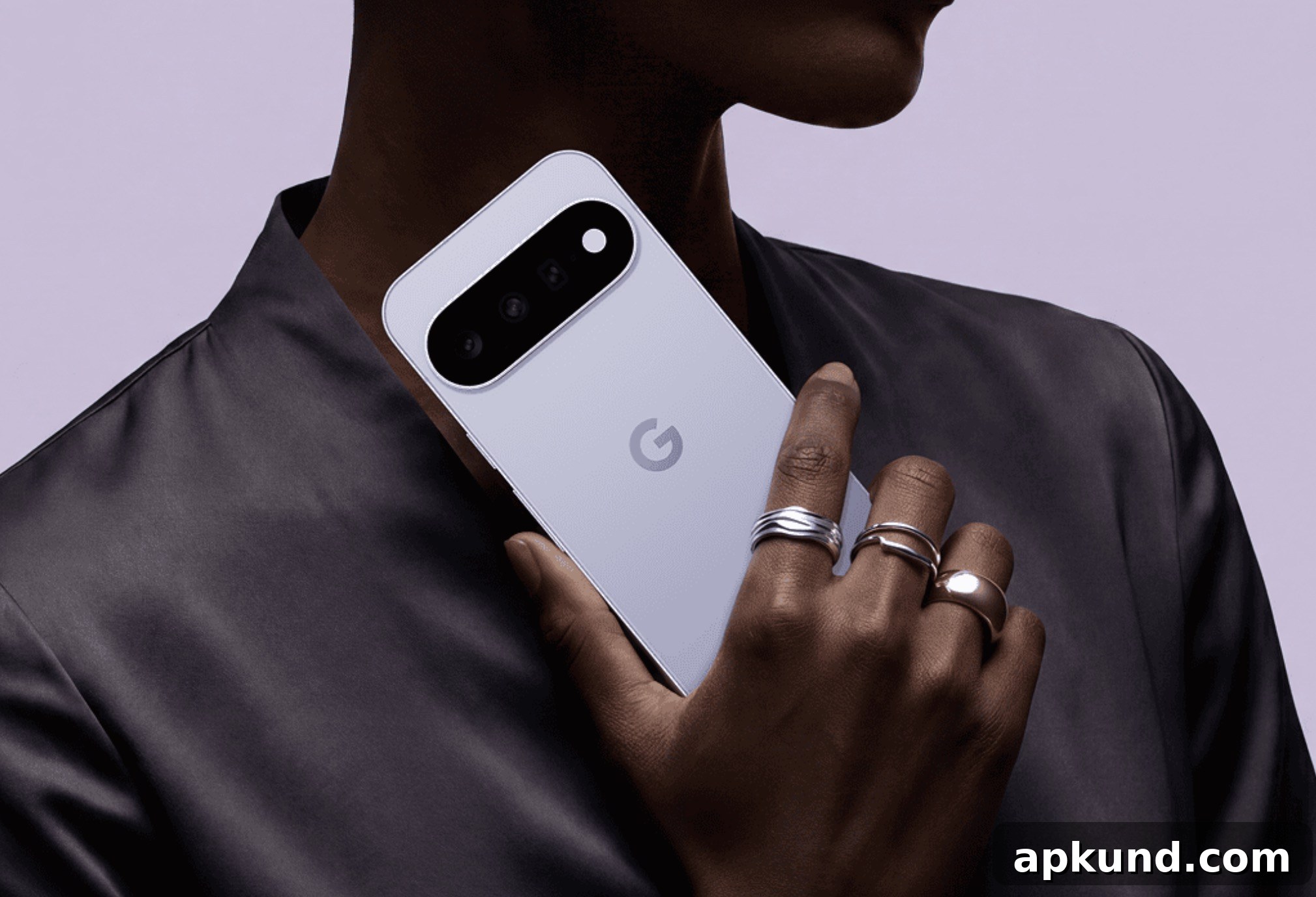
Another year, another Pixel phone. It’s somewhat surprising to realize we’re now on the eleventh generation of Google’s flagship line since the original Pixel debuted in 2016, yet the Pixel 11 manages to introduce a number of thoughtful refinements rather than a complete overhaul. While some critics have called the Pixel line steady rather than revolutionary, the Pixel 11 delivers several practical upgrades that improve everyday use.
Notable changes start with faster wireless charging: the Pixel 11 supports Qi 2.2 at 25W, which should provide quicker top-ups when using compatible chargers. Google finally offers a larger base storage option, with a 256GB model now available for those who keep lots of photos, apps, and media on their device. On the security front, the addition of Google’s Titan M3 security chip is a meaningful improvement, strengthening on-device protections for sensitive data and secure transactions.
Design-wise the Pixel 11 keeps the overall look familiar, so at a glance it could be mistaken for the Pixel 10. However, Google has refined some details: the camera bar has been reduced in size—reportedly about 40% smaller—making the rear profile a little less bulky while retaining the distinctive horizontal island. Google also expanded the color palette, offering Frost, Hibiscus, Pistachio, and Obsidian to suit a wider range of tastes.
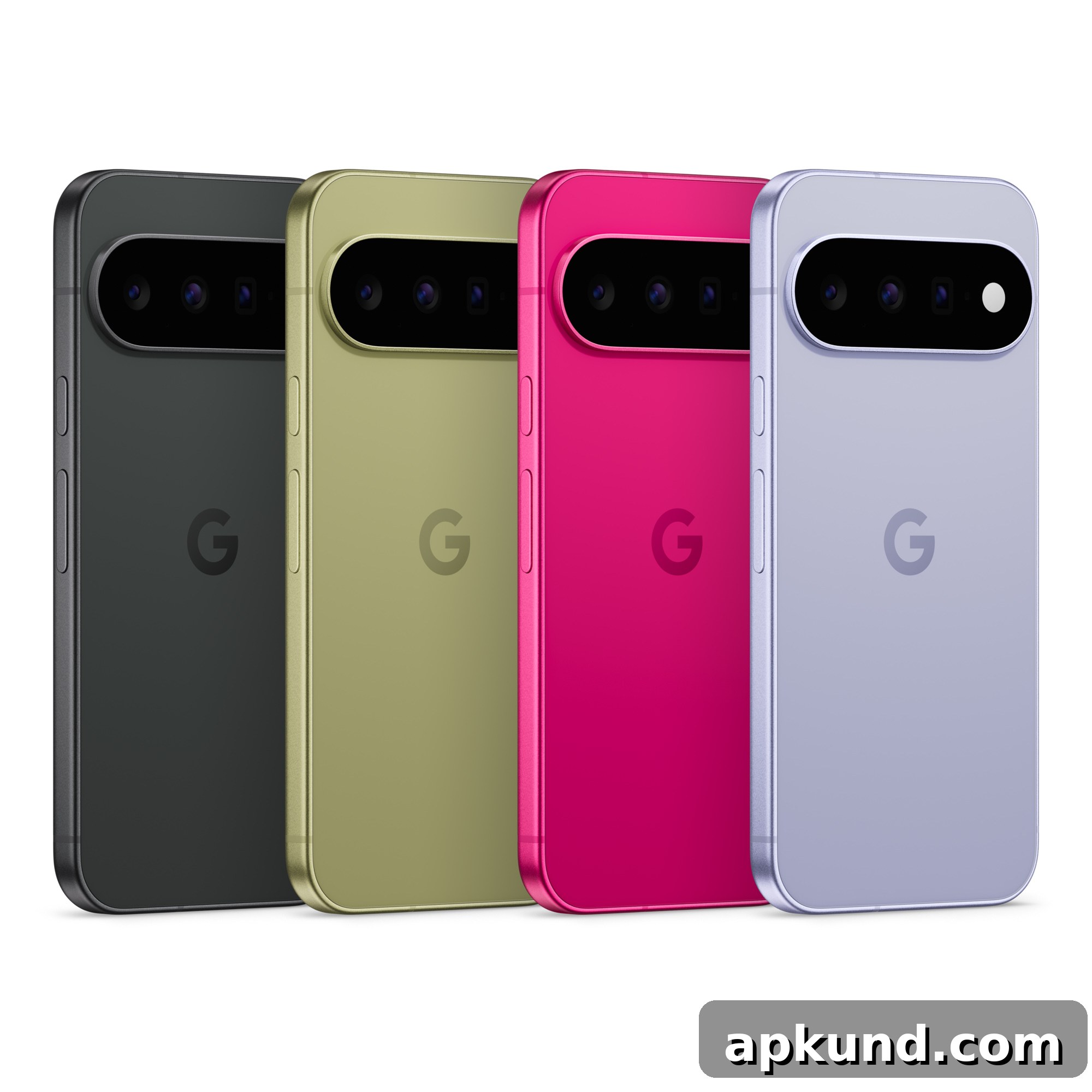
Image: Google
Under the hood, the Pixel 11 is powered by Google’s Tensor G6 platform. Google claims performance gains that include faster CPU speeds for web browsing and app launches and lower overall power consumption, which should translate into a snappier everyday experience and improved battery efficiency in many common tasks. How that performs in intensive workloads like high-frame-rate gaming or prolonged heavy processing remains to be judged by hands-on benchmarks and real-world tests, but for typical multitasking and AI-driven features the platform is clearly focused on intelligent performance.
Photography remains a major focus. The Pixel 11 carries a three-camera system on the back, anchored by an upgraded 48MP main sensor that Google says has notably better light sensitivity. That improvement should yield cleaner images in low-light scenarios and better dynamic range. A 5x telephoto lens is included, capable of extensive zoom ranges with computational assistance, described by Google as able to reach up to 30x “super zoom” through software enhancements. As with past Pixels, the phone leans heavily on AI to improve results: features such as automatic framing and correction, enhanced stabilization, and advanced video processing are all part of the package. Specific tools include automatic straightening and crop suggestions, 8K video boost for improved capture, and Pro Stable Video to reduce motion artifacts during recording.
AI and software features are deeply integrated through Google’s Gemini technology. Practical improvements extend beyond the camera: Gemini Rambler aims to clean up voice dictation on the fly for more accurate transcriptions, while Contextual Intelligence can surface relevant information—like flight times or calendar events—inside messaging interfaces so users don’t have to switch apps. Smart Prompts attempt to anticipate actions, for example opening your calendar when discussing availability or suggesting booking options when planning an outing. These features are designed to streamline routine tasks and reduce friction in everyday phone use.
In terms of availability, Google has priced the Pixel 11 at $899 with pre-orders opening today. This positions the device competitively among flagship phones that emphasize AI and software-driven experiences. For buyers, the Pixel 11 represents an evolution rather than a revolution: incremental hardware upgrades combined with deeper AI integration and practical refinements that improve daily interactions and photography, while maintaining the familiar Pixel design language.
Overall, if you value camera quality, on-device security, and software features that smooth common tasks, the Pixel 11 is worth consideration. Those who prioritize raw benchmark-leading performance may still look to competing chips for peak gaming frame rates, but for most users the Tensor G6 and Google’s software enhancements should offer a balanced, polished experience out of the box.