
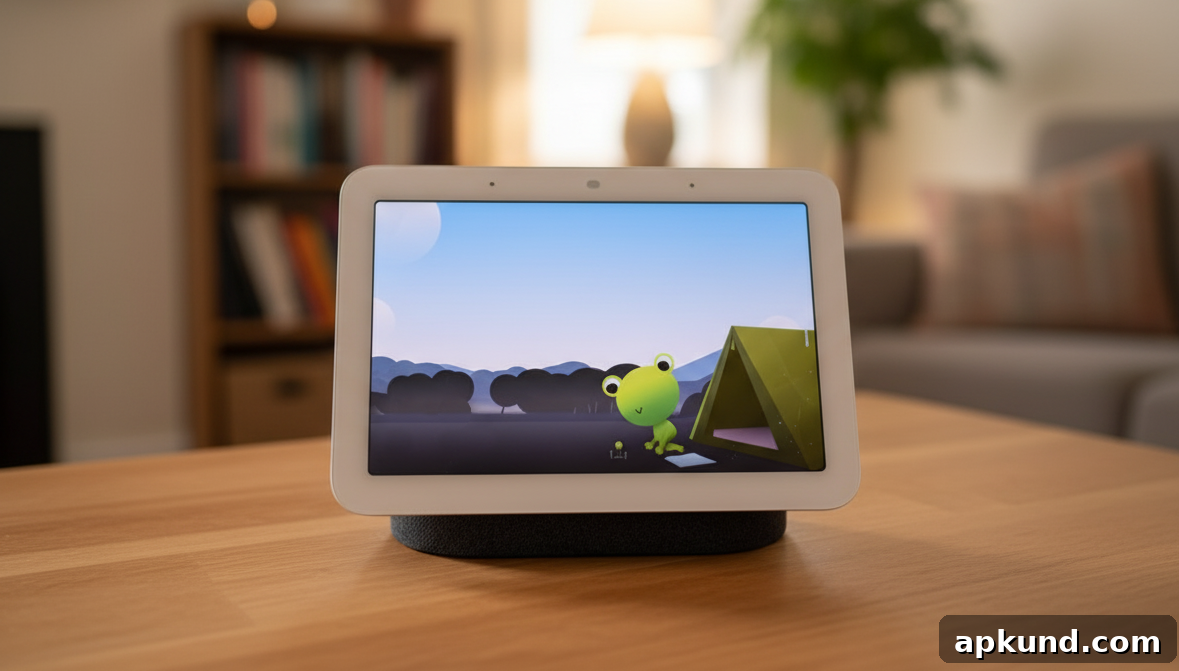
Google is beginning an early rollout of the Model Context Protocol (MCP) for Google Home, a new feature designed to let AI agents securely access and interact with smart home devices and environments. Initially available to Google Home Premium Advanced subscribers in the United States, MCP is positioned to bridge the gap between digital assistants and the physical world by providing agents with controlled, contextual access to home device data and state.
With MCP support, compatible agents such as Claude, Hermes, OpenClaw, and Google Antigravity can use real-world context to perform useful tasks across a household. Early testers report a range of practical applications: cross-camera analysis to produce concise summaries of multi-room footage, tracking device state history like laundry cycles or lighting duration, and creating personalized smart home dashboards with simple, natural language. In many cases, agents can complete actions and provide feedback through Google Home speakers, making the interaction feel more conversational and integrated into daily routines.
The protocol is built to support a wide variety of devices in a typical smart home setup. That includes Nest doorbells and thermostats as well as Matter-compatible bulbs and accessories. Google has emphasized safety and privacy in the design: MCP enforces rate limits to prevent excessive or abusive requests, and it restricts sensitive physical actions—such as remotely unlocking doors—so agents cannot perform potentially dangerous operations without proper user oversight. These safeguards aim to maintain user control while enabling useful automation and context-aware features.
Setting up MCP requires users or developers to configure a Google Cloud project and generate MCP credentials for the agent they wish to connect. Google provides developer documentation and setup guides through the Google Home Developer Center to walk users step-by-step through the configuration process. This setup ensures that agents operate with explicit, managed permissions and that data access is auditable and confined to the scope the user approves.
Early adopters and developers are already exploring how MCP can enhance smart home experiences. For example, summarizing camera footage across rooms can save time when checking for important events, while tracking device histories like washer or dryer cycles helps users know when chores are complete without manually checking each device. Personalized dashboards created through natural-language prompts can centralize the most relevant information—energy usage, temperature trends, security alerts—into an easy-to-understand view tailored to each household’s needs.
Google’s approach with MCP reflects an industry trend toward more capable, context-aware assistants that respect user privacy and security. By limiting high-risk commands and enforcing operational constraints, the protocol provides a safer route for granting advanced AI agents access to physical home states and sensors. The company notes that these restrictions are deliberate and integral to the platform, helping to balance convenience with responsible automation.
READ: Aggressive Expansion: Xiaomi Wants to Sell its Smart Home Gadgets in Europe
As MCP moves beyond early access, developers and smart home integrators will likely continue to refine agent behaviors, create new use cases, and improve user controls. For consumers, the key benefits are clearer: a more intuitive way to manage smart devices, context-driven automation that reduces friction, and stronger safeguards to protect privacy and prevent unsafe actions. Users interested in trying MCP-compatible agents should review the setup requirements on the Google Home Developer Center and ensure they understand the permissions and safeguards before granting access.