
Apple has finally entered a market Samsung has been developing for years. The iPhone Duo marks Apple’s first foldable phone, and its closest Android counterpart is Samsung’s Galaxy Z Fold 8. Both devices unfold into a similar tablet-like shape and arrive at premium prices approaching $2,000.
Here’s a clear look at how Apple’s newcomer compares to Samsung’s eighth-generation foldable, examining hardware, software, battery life, and value.
The hardware: similar on paper, different in the details
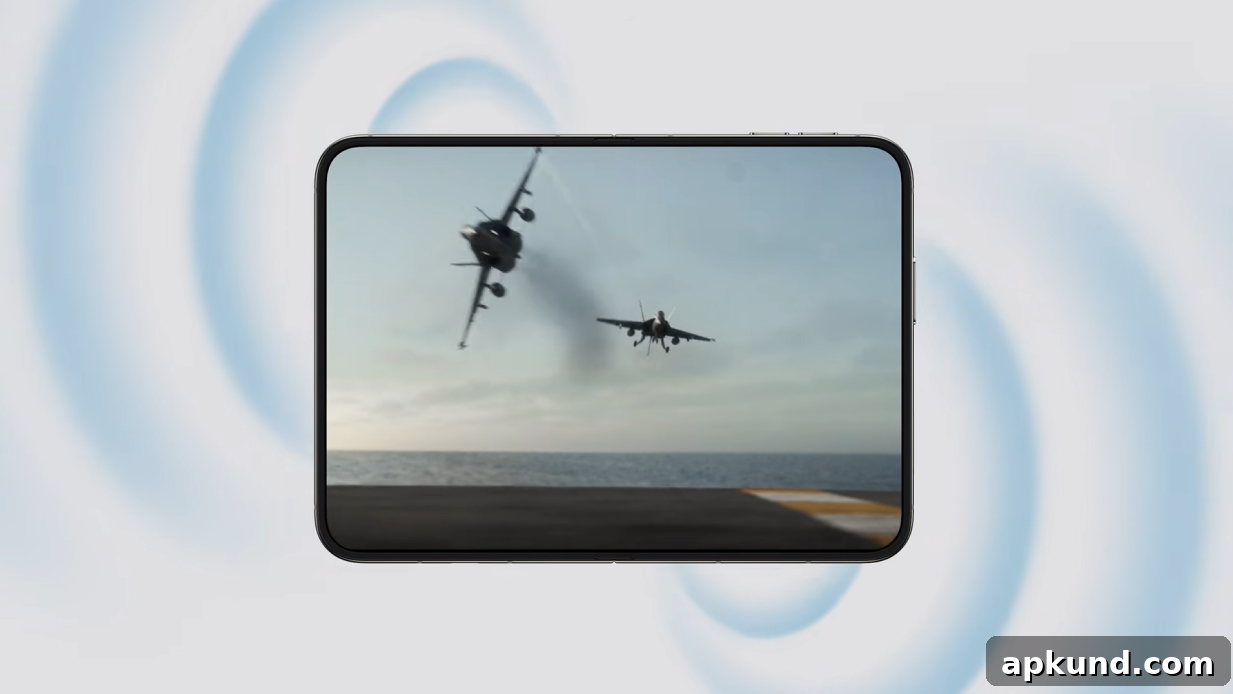
Both phones open to an inner display around 7.6 inches, paired with a narrower outer screen for quick checks and notifications. Samsung’s cover display measures roughly 5.5 inches while Apple’s is about 5.4 inches. On important metrics such as refresh rate and peak brightness, the two panels are closely matched: both support 120Hz and reach strong peak brightness levels suitable for outdoor use.
Camera hardware is comparable but not identical. Samsung equips the Fold 8 with two 50-megapixel main sensors on the back, while Apple uses two 48-megapixel sensors for the Duo. Neither device includes a dedicated periscope-style zoom lens in their foldable models; both manufacturers reserve that capability for select non-folding flagships.
Under the hood, Apple’s A20 Pro chipset is newer than the Snapdragon 8 Elite Gen 5 found in the Fold 8, and early performance figures indicate the A20 Pro may be faster in certain benchmarks and workloads. That said, Samsung’s Fold 8 remains competitive and compensates with a lower starting price and a lighter build. The iPhone Duo weighs about 254 grams, while the Galaxy Z Fold 8 comes in around 201 grams — a noticeable difference that affects everyday comfort when holding or carrying the phone.
Durability varies as well. Apple gives the Duo a stronger ingress protection rating, making it more resistant to dust and deeper water exposure than the Fold 8’s rating. Despite higher water resistance on paper, water resistance should not be treated as permission to immerse these devices regularly.
Because foldable designs constrain space for traditional biometric hardware, neither model includes an under-display fingerprint sensor. Instead, both manufacturers place the fingerprint reader within the power/side button, and both rely on a combination of biometric and passcode security methods adapted for folding bodies.
The software: Samsung still leverages the extra screen more effectively
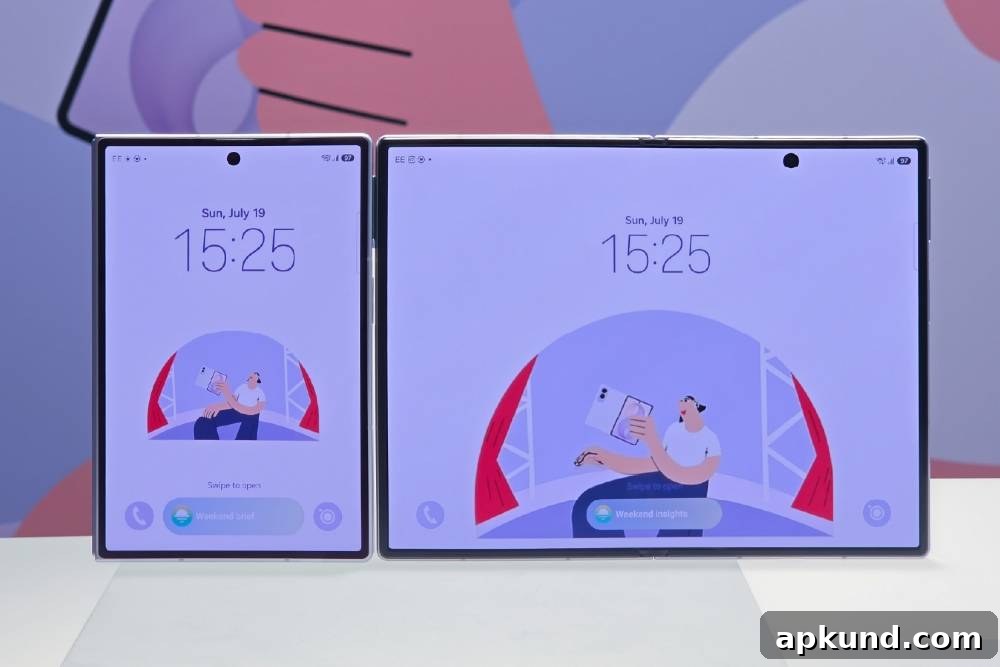
Apple adapted iOS 27 to recognize the Duo’s unfolded state, moving the dock and controls to better suit the larger display. The Duo supports two apps side by side, a meaningful advancement for iPhone multitasking.
Samsung, however, has had years to refine Fold-specific features. One UI supports three apps displayed simultaneously, floating windows, and easy drag-and-drop of files between apps. The Fold 8 also offers enhanced productivity when connected to an external monitor, behaving more like a compact desktop environment—a capability Apple’s first foldable does not currently match. For users focused on multitasking and productivity workflows, these software differences may be decisive.
Battery performance depends heavily on how you use the device. Apple’s published figures rate the Duo for up to 44 hours of video playback on the outer display and 31 hours on the inner display in specific test conditions. Samsung’s stated runtime numbers differ, and real-world results will vary based on screen usage, refresh rate, and app behavior. Charging speeds favor Samsung: the Fold 8’s 45-watt wired charging can reach a higher state of charge in the same 20-minute window compared with Apple’s 60-watt solution on the Duo, according to early comparisons.
Price and value: high-end positioning, but Apple asks more
The iPhone Duo starts at $1,999 for the 256GB model, while the Galaxy Z Fold 8 begins at roughly $1,899 with the same base storage. Top-tier configurations widen that gap considerably: the Duo climbs to higher price points than the Fold 8 at their maximum storage options. With Samsung historically offering occasional discounts and promotions, buyers often find the Fold 8 available at lower effective prices than Apple’s initial retail pricing.
Which phone is right for you depends on priorities: if you want the freshest iPhone design, tighter vertical integration with iOS, and stronger dust and water protection, the Duo is compelling. If you prioritize lighter weight, more mature multitasking features, and potentially better charging performance for less money, the Galaxy Z Fold 8 remains an excellent choice.
Note: this article may contain affiliate links that help support the authors and the site.