
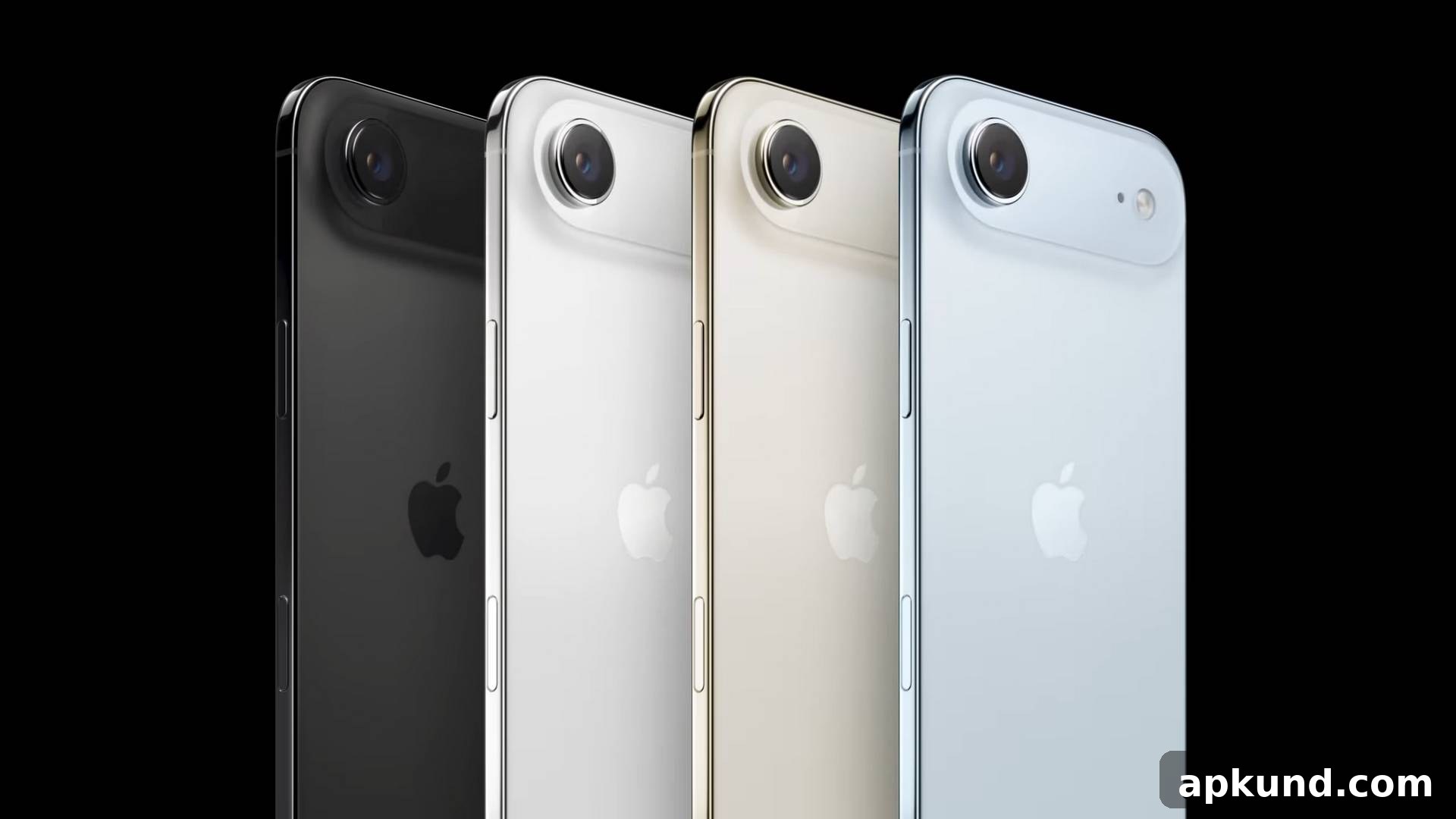
Apple may have missed an opportunity with the original iPhone Air by launching it without a few key improvements. According to recent reporting, Apple is already testing a second-generation iPhone Air. Early signs point to meaningful upgrades: a dual‑camera system, a larger battery, and a next‑generation A20 Pro processor. Industry observers expect Apple to announce the refreshed model in spring 2027, likely alongside the iPhone 18 lineup. None of these details are confirmed by Apple, and the schedule could still shift, but the changes align with feedback and analyst predictions over the past months.
The rumored updates directly address the two biggest criticisms owners and reviewers leveled at the original iPhone Air: battery life and camera flexibility. If Apple delivers on both fronts, the Air could become a much more compelling option for buyers who valued its thin profile but found the first model too limited for everyday use.
The compromises were never subtle
At launch, battery tests showed the iPhone Air struggled to match the endurance of its siblings. Continuous web browsing tests ran roughly half a day, leaving it behind the regular iPhone 17 and a long way from the iPhone 17 Pro Max. Apple’s official accessory response—a separate MagSafe battery pack—works as a stopgap but undermines the appeal of buying a device promoted for its extreme thinness. Carrying extra battery hardware is inconvenient and defeats some of the purpose of choosing the slimmest iPhone option.
The camera setup was another major compromise.
The iPhone Air shipped with a single 48MP primary lens, which meant there was no ultrawide sensor and limited options for group shots or wider scenes. Competing phones from other manufacturers have long offered multiple lenses at similar price points, giving users more versatility out of the box. The move to add a second lens in the next generation suggests Apple acknowledges that many customers expected a more complete imaging package from the start.
Market response reflected those shortcomings. Industry supply reports indicated Apple significantly cut planned iPhone Air production as demand lagged. While thinness was the headline selling point for the Air, it wasn’t enough to sustain strong consumer interest when battery life and camera capability were noticeably compromised. A dual‑camera system and a larger battery could restore balance: keeping the phone slim while addressing the practical needs most users prioritize daily.
Beyond hardware, the rumored A20 Pro chip would bring performance and efficiency gains that help justify an upgraded Air model. A newer, more efficient processor could improve power management and overall responsiveness, smoothing out the tradeoffs Apple made to reach the original device’s slim profile. If the company pairs that chip with modest increases in battery capacity and a second camera module, the next iPhone Air could appeal to a broader audience—users who want a stylish, lightweight phone but also expect reliable all‑day battery life and flexible photography options.
For now, these improvements remain unconfirmed. Apple has not announced specifications or a release date, and company plans often evolve. Still, the direction described in recent reports matches long‑standing criticisms from reviewers and consumers, suggesting Apple is listening. Whether those fixes will be sufficient to revive the iPhone Air’s fortunes will depend on the final balance of thinness, battery life, camera capability, and price when Apple unveils the refreshed model.