
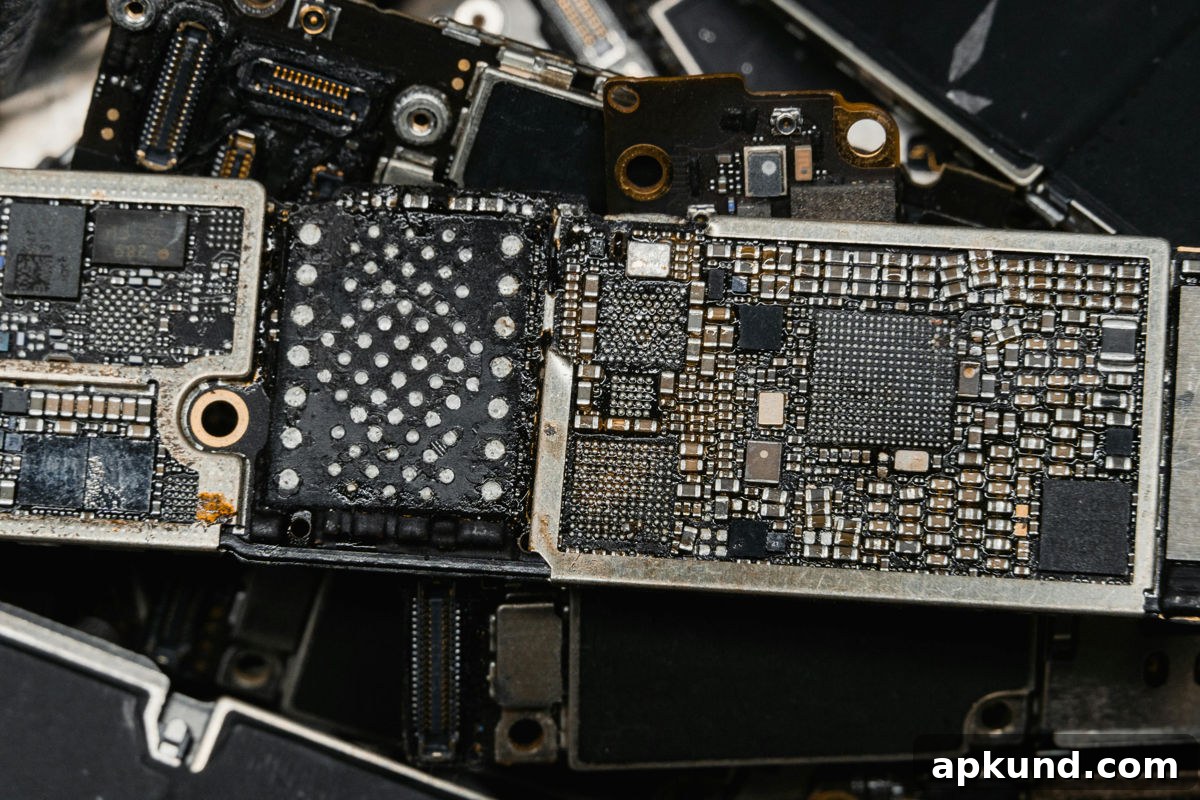
You’ve likely noticed that smartphone prices aren’t falling. The ongoing RAM shortage has kept memory costs high for months and shows few signs of easing. According to a recent TrendForce projection, mobile DRAM prices could surge by roughly 93% to 98% quarter-over-quarter in Q2 2026. That follows a 58–63% increase in LPDDR5X pricing during Q1, illustrating how sharply costs have risen in a short time.
To put this into dollar terms: earlier this year, LPDDR5 contract prices were around $10 per gigabyte, according to industry tracker SemiAnalysis. If TrendForce’s forecast proves accurate, manufacturers could be paying close to $20 per gigabyte by the end of Q2 2026. Some manufacturers are reportedly already locking in long-term supply agreements at prices up to $21 per gigabyte. Memory costs are roughly three times higher than they were at the start of 2025, and analysts generally do not expect meaningful relief until at least late 2027. That extended window means higher component costs will influence phone pricing for many quarters.
Why AI Is Making Your Phone More Expensive
The core cause of the mobile DRAM squeeze is a shift in demand toward AI infrastructure. The leading memory producers—Samsung, SK Hynix, and Micron—control the bulk of global DRAM manufacturing. To meet rapidly growing demand from data centers and AI accelerators, these suppliers have been reallocating production capacity toward high-bandwidth memory (HBM), which is used in servers and AI hardware. HBM typically carries higher margins, so prioritizing it makes business sense for suppliers. The trade-off, however, is reduced supply of standard phone-grade LPDDR memory, which leaves smartphone makers competing for a smaller pool of components.
This supply squeeze disproportionately affects budget and entry-level smartphones. Industry observers warned late last year that some low-end devices could revert to 4GB of RAM in 2026 as manufacturers try to preserve retail price targets without shouldering the full cost increase. In practice, that means features, configurations, or perceived value may change at the low end of the market as brands juggle components and margins. Even premium brands are feeling pressure: the DRAM shortage does not spare high-profile devices, and components cost increases are squeezing profit margins and complicating launch strategies.
For consumers, the immediate impact is straightforward: expect higher prices or reduced memory configurations until supply and demand rebalance. For buyers waiting to upgrade in hopes that mobile DRAM prices will normalize, the outlook suggests a prolonged wait. Analysts’ timelines point to at least late 2027 before meaningful price relief, which means manufacturers and carriers will need to navigate higher component costs across multiple product cycles.
Manufacturers have a few levers to manage the pressure. They can negotiate long-term contracts at higher prices to secure supply, rework product configurations to use less or different types of memory, or pass costs on to consumers through higher retail prices. Any of these choices affects what shoppers ultimately see on store shelves: fewer mid-range models with generous RAM, higher starting prices, or devices with reduced memory capacity. While suppliers shift capacity to meet booming AI demand, the reallocation continues to ripple through the broader electronics market.
In short, the RAM shortage is an industry-wide problem driven by a strategic pivot toward AI-related memory products and compounded by strong demand. The result is higher mobile DRAM costs, increased pricing pressure on smartphones—especially budget models—and a likely multi-year period before material relief. Consumers and industry watchers alike should expect the memory-driven cost issue to remain a defining factor in smartphone pricing and product planning through the remainder of this market cycle.