
It has been some time since Nokia stepped away from the mainstream smartphone market, with its Android-era efforts ending under HMD Global’s stewardship. Nonetheless, the Nokia name continues to appear on affordable, dependable feature phones produced by HMD. The new Nokia 300 Charge is a clear example: an ultra-budget, no-frills handset built for long battery life, basic reliability, and everyday practicality.
Offered at a price point near $40, the Nokia 300 Charge targets users who want a simple, durable device without the complexity of a modern smartphone. The phone measures light and compact, weighing approximately 138 grams, and places a compact 2.4-inch QVGA display above a tactile T9 physical keyboard. That familiar layout will appeal to anyone who prefers physical keys for dialing and typing, or who wants a straightforward backup device for travel and emergencies.
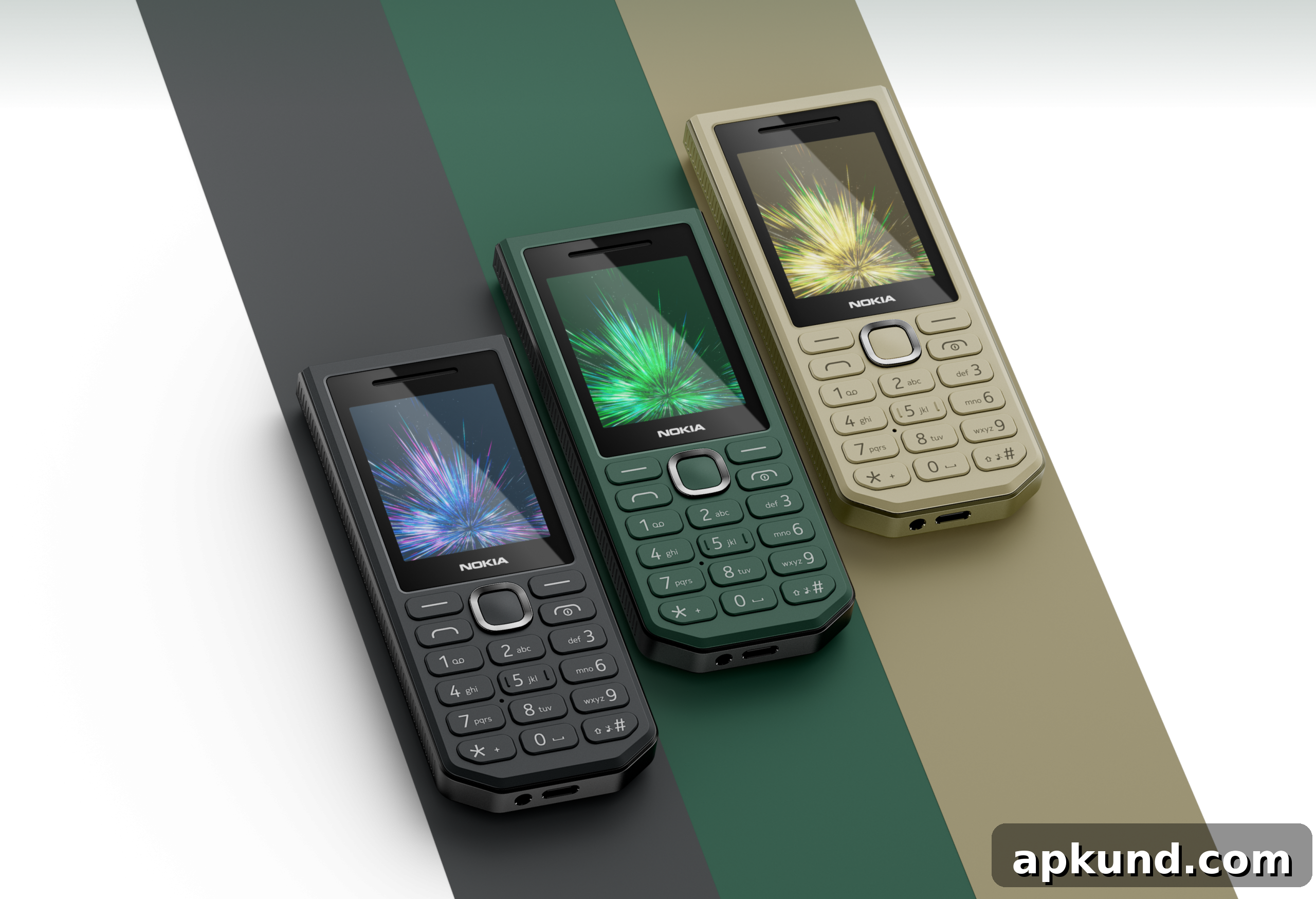
Image: HMD
Under the hood, the device runs the lightweight S30+ operating system and is powered by a Unisoc SC6531E processor, a proven choice for entry-level feature phones. Core hardware is intentionally modest: the phone ships with 4 MB of RAM and 4 MB of internal storage, with the option to expand storage up to 32 GB via a microSD card. Connectivity and convenience are handled in classic fashion, with a 3.5 mm headphone jack included for wired audio and a single QVGA rear camera for basic snapshots. In both looks and function, the device evokes the early-era Nokia models many users fondly remember.
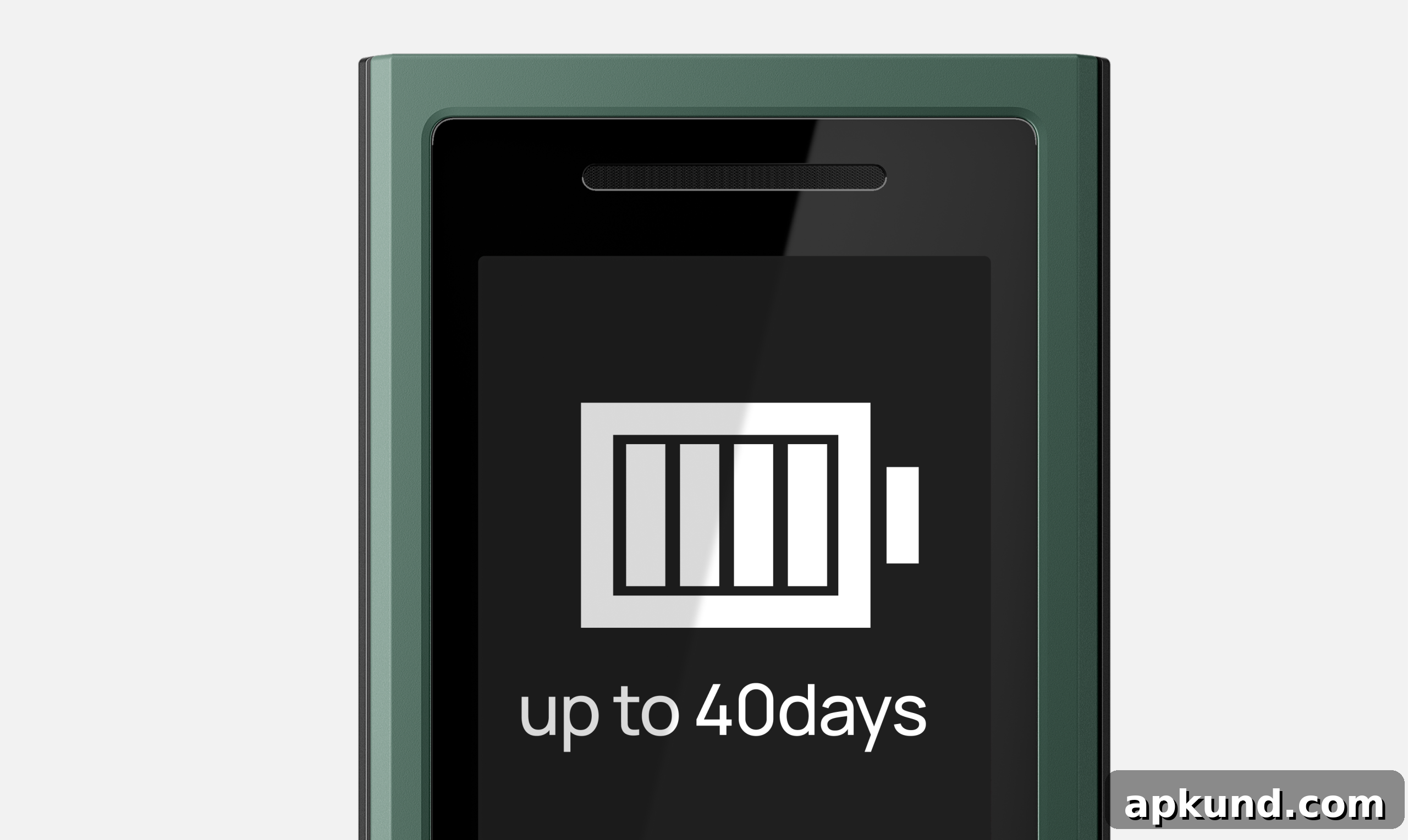
Where the Nokia 300 Charge stands out is in its power setup. The handset uses a removable 3,700 mAh battery that HMD says can deliver exceptionally long standby times — up to 40 days — and roughly 38 hours of continuous talk time under the right conditions. This emphasis on endurance makes the 300 Charge suitable for users who need an anytime, anywhere phone that won’t require daily charging, such as travelers, field workers, or anyone keeping a secondary device for emergencies.
Beyond long runtimes, the removable battery enables a useful secondary role: the phone can act as a portable power bank. With 10W reverse charging via USB Type-C, it can top up other small devices on the go. That feature adds versatility to an inexpensive handset, turning it into a practical companion when power access is limited.
HMD’s focus here is clearly on durability, simplicity, and value. The hardware choices and the compact design favor longevity and ease of use over bells and whistles. For anyone seeking a no-nonsense device for calls, texts, and extended battery life, the Nokia 300 Charge is pitched as a sensible option that recalls the robust reliability of classic feature phones while adding modern conveniences like USB-C and expandable storage.
Practical buyers should note the trade-offs: the S30+ platform and the hardware bundle are intentionally basic, so you should not expect modern smartphone apps or advanced multitasking. Instead, the benefits lie in extremely long battery life, a physical keypad for straightforward input, and a low purchase price that makes the device easy to replace or carry as a secondary phone.
Related coverage: HMD’s rugged enterprise phone recently arrived in Europe, reflecting the company’s continued interest in market segments that prioritize durability and long runtimes over smartphone-style features.