
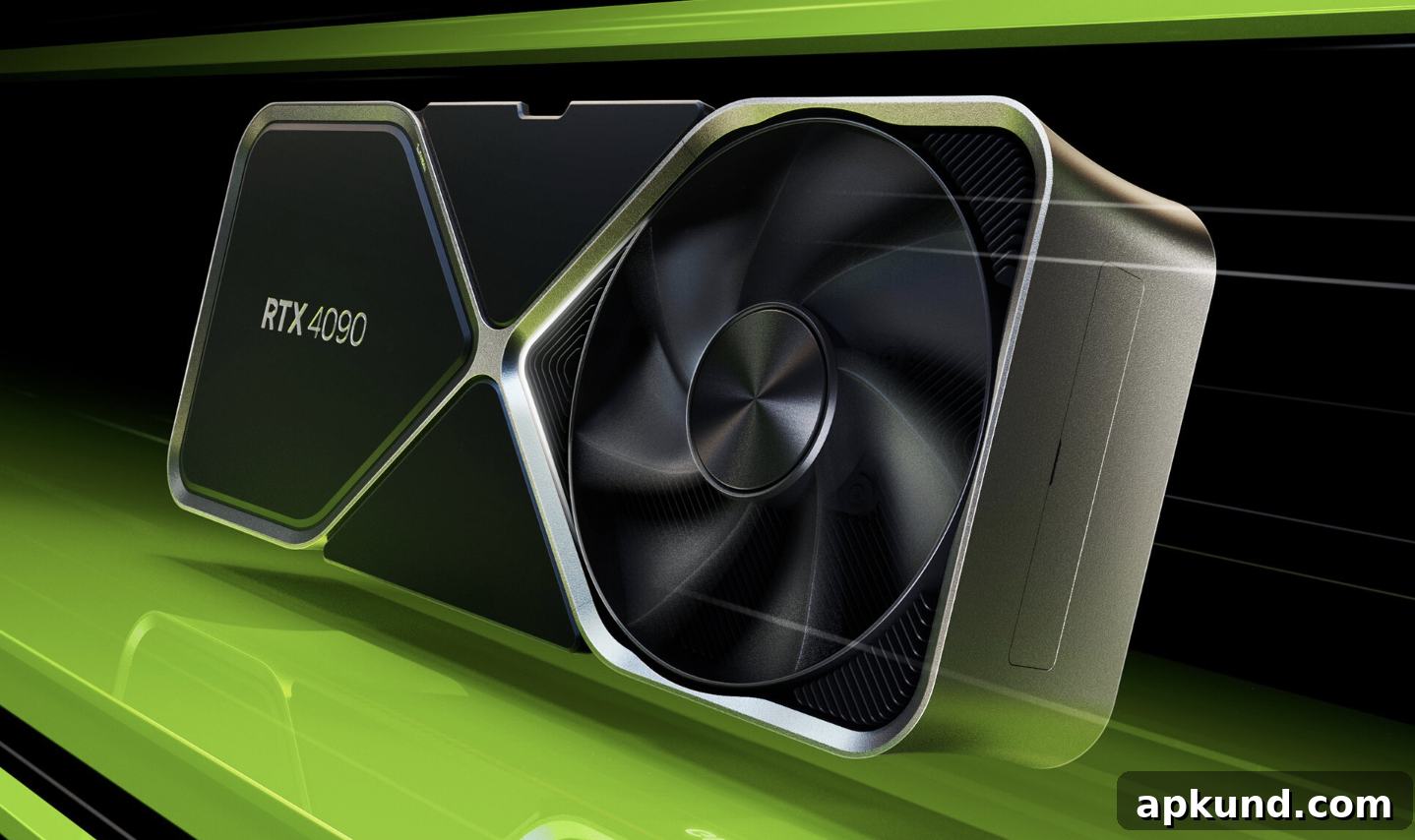
If you’ve been delaying a purchase of a new Nvidia graphics card, that hesitation could become costly. Multiple industry reports now say Nvidia may increase GeForce GPU prices by as much as 20–30 percent. For gamers, creatives, and anyone planning a PC upgrade, that could turn a reasonably priced build into a much more expensive one—potentially pushing mid-range cards closer to the price zone previously reserved for high-end models.
To put it in concrete terms: a graphics card that currently sells for roughly $700 could move toward $900 after a price increase, and some models are already reflecting higher street prices at retailers. The market has seen similar volatility before—most notably during the crypto mining surge a few years back—so this is not an unprecedented shift. Still, where prices rise quickly, demand and buying decisions are affected right away, and that can reshape the PC component market for months.
What’s driving the price jump
The main factor behind the price pressure is a shortage of GDDR7 memory, the high-speed VRAM used in Nvidia’s newer GPU designs. Industry sources indicate that GDDR7 now accounts for a significant portion of the manufacturing cost for high-end graphics cards—reportedly more than 80 percent of that component cost for some models. Because memory is such a large slice of overall production expense, a supply squeeze drives partner-level costs upward, and those increases often trickle down to retail prices.
This shortage affects more than one vendor: AMD is experiencing similar constraints on the same memory types, which means both major GPU makers can see price pressure. Reports also indicate Nvidia has raised the prices of GPU kits it sells to board partners—manufacturers such as Asus, MSI and Gigabyte. When those partners pay more for components, the markup commonly ends up reflected in the final card prices consumers pay in stores.
Already, higher prices are visible on several current models. Some versions of the RTX 5070 Ti have risen by roughly 25 percent and are approaching the $1,000 mark. The RTX 5080 is being listed nearer to $1,400 in some outlets, and certain RTX 5090 variants are appearing at well over $3,000—far above Nvidia’s original MSRP for those chips in many configurations. When flagship cards climb into those ranges, it changes upgrade planning for gamers and professionals alike.
Nvidia’s finance leadership has acknowledged the memory shortage as a continuing headwind for the gaming segment, suggesting the supply issues could persist into next year. A planned refresh of the RTX 50-series lineup was intended to help by offering models with increased VRAM, but that refresh depends on the same scarce memory and has therefore been delayed or constrained. That creates a frustrating feedback loop: the refresh that would relieve pressure requires components that remain in short supply.
For anyone who needs a GPU soon, models that use 8GB of memory are currently the least affected and still sell closer to their previous price points. Examples include cards such as the RTX 5060 and RTX 5060 Ti, which occupy the lower end of the discrete GPU stack and therefore rely on smaller memory configurations. Cards above that tier—those with larger VRAM capacities and higher performance—are seeing the most pronounced price increases.
If you’re deciding whether to buy now or wait, temper expectations: holding out for significantly lower prices may not pay off if the memory shortage persists. For many buyers, shifting focus to an affordable prebuilt system can be a sensible alternative. Many budget-friendly prebuilt gaming PCs continue to use GPUs with smaller memory footprints, which helps keep their overall prices more stable. That means you can sometimes get better immediate value by purchasing a complete system rather than chasing a single higher-tier GPU whose price is climbing rapidly.
In short, the current market suggests a few practical steps: if you need a GPU immediately and want to avoid the steepest price jumps, consider sticking with 8GB-tier cards or looking at full systems that use those chips. If you can wait, monitor inventory and pricing closely and be prepared for gradual improvements only as memory supply normalizes. And if you’re building a PC on a fixed budget, re-evaluating component priorities—such as choosing a solid CPU or faster storage now and upgrading the GPU later—may help you manage costs while still getting a capable machine.