
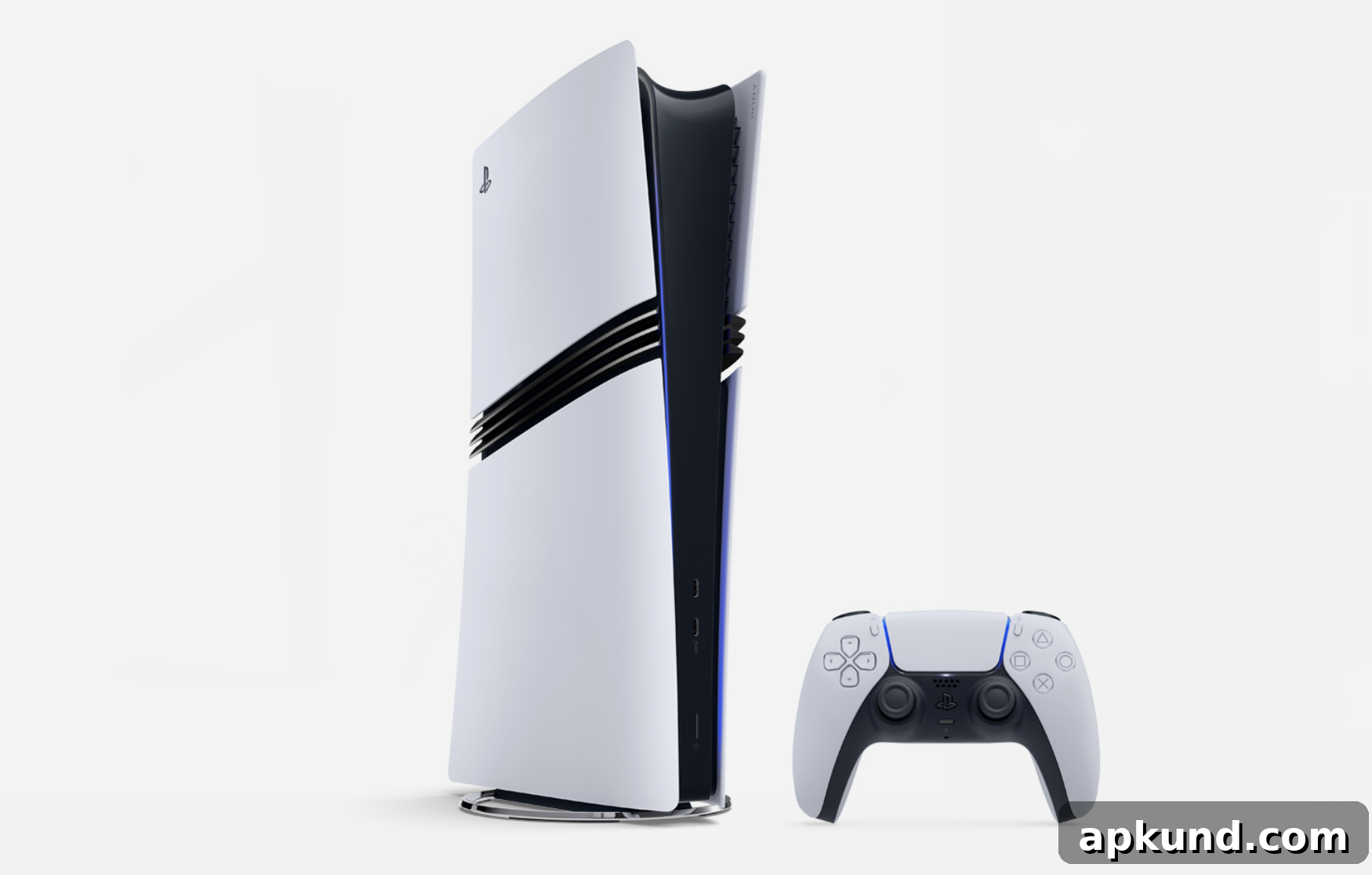
If you were watching the market in late March, you probably noticed PS5 consoles selling quickly. On March 27, Sony announced a $100 price increase that would take effect on April 2, leaving shoppers only six days to purchase at the previous price. Circana analyst Mat Piscatella reported that U.S. hardware spending nearly doubled year-over-year during the week before that deadline, as many buyers rushed to buy before the price change. That surge in late March made April’s performance look especially weak by comparison.
What the April Numbers Show
Circana’s U.S. data for April shows PlayStation console sales declined roughly 30% year-over-year. That drop came immediately after Sony raised the PS5 Disc Edition to $649.99 and the PS5 Digital Edition to $599.99, while the PS5 Pro now sells for $899.99. For context, the standard PS5 launched in 2020 at $499; in less than six years, the price of the base model has increased by about $150. These faster-moving price adjustments and the short window before the change created a boom-and-bust pattern in demand.
Piscatella has warned that May could show an even steeper decline. Some retailers delayed updating their listings, allowing them to sell through existing inventory at the old prices for a short time. Once those stocks were exhausted, remaining inventory moved only at the higher price, reducing buyers’ willingness to purchase. That shift opened an opportunity for competitors: Nintendo’s Switch 2 gained share during the slowdown, with Nintendo’s monthly dollar share of hardware spending reaching its highest level since July of the previous year, according to Piscatella’s reporting.
Why Sony Raised the Price
Sony’s decision to raise PS5 prices is tied to broader supply-chain and component-cost pressures. A global shortage of memory chips has increased the cost of DRAM and NAND — components used in every console — driven in large part by soaring demand for AI hardware. Those component cost increases have affected console manufacturing margins. Sony’s CEO Hiroki Totoki has indicated that these shortages are impacting hardware availability and costs, as well as software revenue, subscription services like PlayStation Plus, and accessories.
This April increase was the second significant rise in less than a year. Sony implemented a price increase in August of the prior year of around $50, and then implemented the larger adjustments in April, with the exact hike depending on the model. Analysts like Piscatella expect component shortages to affect the entire console market — including Sony, Microsoft, and Nintendo — for the foreseeable future, potentially through at least 2027. That outlook suggests consumers and retailers should expect higher console prices and tighter inventories for some time.
Sony has stated that no further PS5 price increases are planned for the immediate future. Still, the ecosystem is adjusting in other ways: subscription costs for PlayStation services have also risen, and blockbuster game launches such as GTA VI remain months away, factors that will influence future hardware demand. Given these developments, upcoming quarterly financial reports and sales data will be closely watched for signs of how higher prices and constrained supply are reshaping consumer behavior.
From a retail perspective, the sequence of announcements, brief pre-hike buying spikes, and subsequent slowdowns illustrates how sensitive the console market is to timing and price signals. Consumers who bought during the narrow pre-hike window captured short-term savings, while buyers after that period faced the new pricing and in many cases deferred purchases or shifted interest to competitors’ systems. For Sony, balancing margin pressures from rising component costs with long-term demand remains a key strategic challenge.
In short, the April sales decline reflects both an immediate market reaction to Sony’s price increases and underlying industry-wide cost pressures. Whether the market stabilizes will depend on component supply trends, consumer response to higher prices, and the cadence of major software releases and promotional opportunities later in the year.