
We hear a lot about switching to electric vehicles and the benefits they bring, but a less-discussed issue is what happens to their batteries when they reach the end of their useful life in a vehicle. Spent lithium-ion packs still contain valuable and potentially hazardous materials, so they can’t simply be discarded. For most personal EV owners this is a future concern, but for high‑use fleets the question is immediate and demands thoughtful planning.
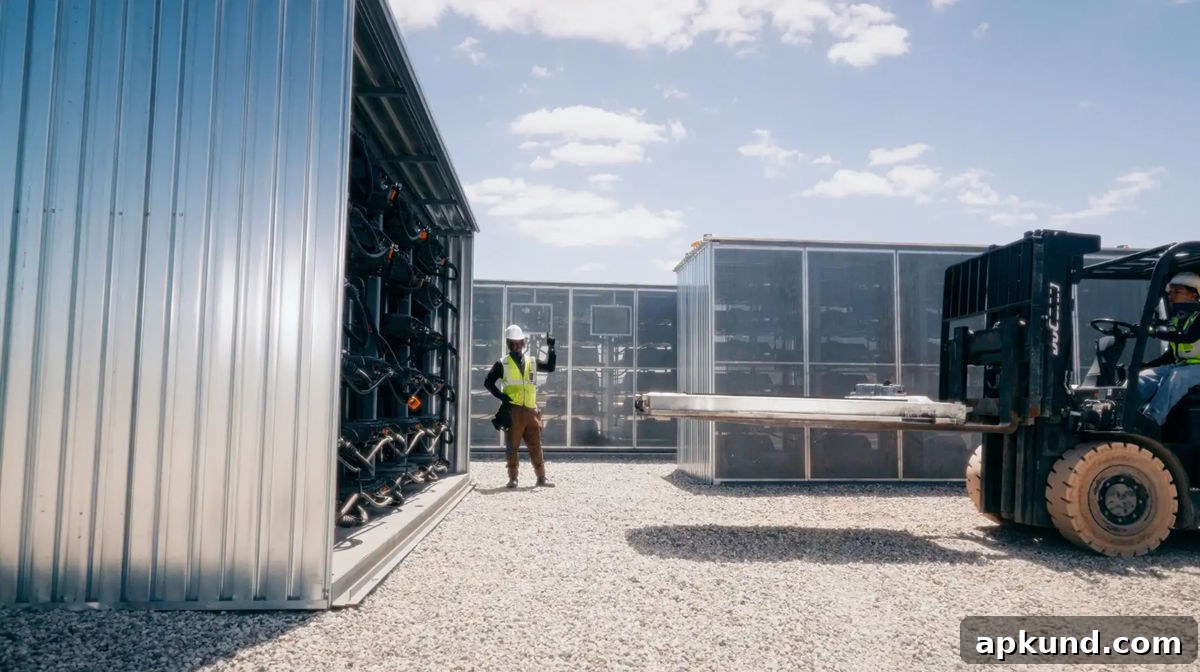
Waymo recently announced a partnership with B2U Storage Solutions to give retired batteries from its robotaxi fleet a second life as grid-connected energy storage systems in California and Texas. The agreement covers hundreds of megawatts of storage capacity. In practice, that means batteries that are no longer suitable for vehicle propulsion are removed, reconfigured into stationary storage installations, and used to help balance electricity demand during peak periods. According to the companies involved, these packs can operate safely for several more years in stationary roles before they eventually require recycling.
Why Fleet EVs Make This Problem More Urgent
Personal EVs often sit unused for much of the day, but commercial and shared vehicles run with far higher utilization. Waymo’s fleet, for example, completes hundreds of thousands of trips each week, which accelerates wear on battery packs. As Waymo’s head of sustainability noted, it is not uncommon for vehicles to remain in service after their batteries no longer meet the strict performance needs of driving. That gap creates a pressing need to decide what comes next for those batteries.
This challenge extends beyond robotaxis. Electric buses, delivery vans, courier fleets, and ride-hailing vehicles follow similar high-mileage patterns. As more commercial transportation electrifies, the volume of spent batteries will rise accordingly. Addressing that volume proactively—before large numbers of packs retire at the same time—will reduce environmental risk, capture additional value from existing materials, and help utilities manage grid demand.
Repurposing batteries for stationary energy storage is a practical and increasingly popular approach. Rather than moving directly to recycling, repurposing allows stakeholders to extract additional years of useful service from a pack while avoiding the immediate environmental cost and energy input of a full recycling process. In many cases, batteries that no longer meet the rigorous power and range requirements of a vehicle can still provide steady, reliable storage when integrated into a stationary system. That second life can provide value to utilities, communities, and fleet operators alike.
There are several clear benefits to this approach. First, it improves the overall lifecycle efficiency of battery materials by extending their useful life. Second, it creates distributed storage capacity that can help smooth peak loads, support renewable integration, and improve local grid resilience. Third, repurposing can buy time to improve recycling technologies and build up domestic recycling capacity so that, when packs are finally retired, their materials can be recovered responsibly.
Still, repurposing is not a silver bullet. Technical and logistical challenges remain, including safely decommissioning and testing packs, standardizing reuse protocols, and ensuring economic viability across different battery chemistries and states of health. Not all retired packs will be suitable for second-life deployment, and some will require direct recycling or specialized handling from the start. Moreover, integrating large volumes of second-life storage into power systems requires careful planning to ensure reliability and safety.
Policy and industry collaboration will matter. Clear standards for testing, certification, and reuse can help scale second-life projects while protecting consumers and grid operators. Partnerships between fleet operators, storage companies, utilities, and recyclers can build end-to-end pathways that recover maximum value from each battery. Fleet operators benefit from lower disposal costs and new revenue streams, while communities gain additional storage capacity that can support local clean energy goals.
What Waymo and B2U are doing represents a pragmatic step: it acknowledges that a battery’s service life does not end the moment it is no longer ideal for driving. Instead, with thoughtful reuse strategies, batteries can continue contributing to emissions reduction and energy resilience in new ways. While repurposing alone won’t solve the eventual need for large-scale recycling, it is a critical intermediate strategy that reduces waste, supports grid flexibility, and helps build the infrastructure and expertise needed for sustainable battery management over the long term.