
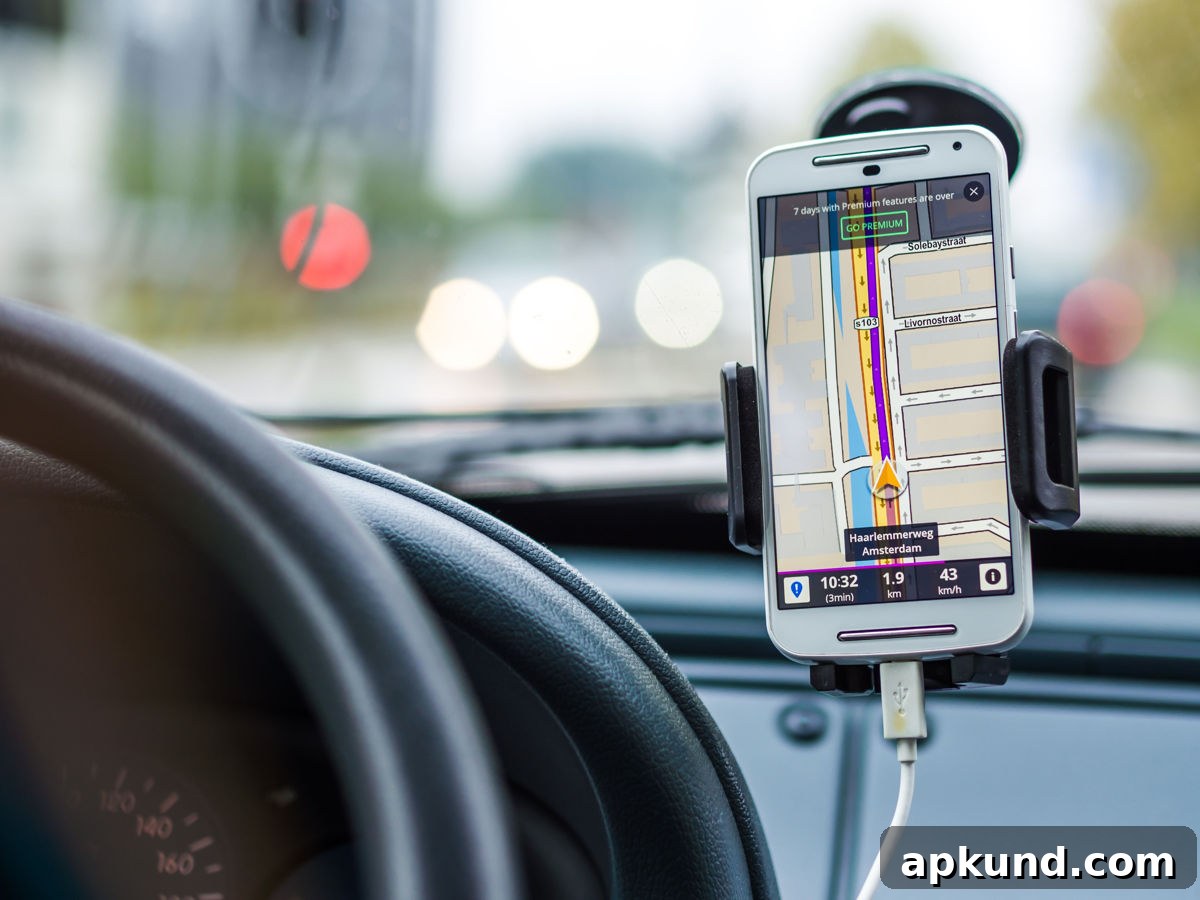
Waze wants your drive to feel like it’s built around you. The company recently introduced a set of features focused on personalization, quieter guidance, and conversational search powered by Gemini, giving drivers greater control over how the app behaves and responds while on the road.
The most significant addition is personalized navigation. Instead of relying solely on real-time traffic patterns and shortest-route calculations, Waze will now suggest routes based on your driving history and preferences. If you routinely choose highways over winding side streets, or tend to avoid toll roads and prefer simpler routes with fewer turns, Waze will begin prioritizing those tendencies in its recommendations. Personalization aims to reduce friction by adapting suggestions to how you actually drive, rather than forcing a one-size-fits-all approach. Of course, you can always select alternate routes manually or disable personalization entirely in the app settings if you prefer to keep routing decisions strictly traffic-driven.
For drivers who want fewer interruptions, Waze added a less chatty guidance mode. This new setting reduces the frequency and length of voice prompts so that spoken directions don’t compete with music, podcasts, or in-car conversations. It keeps essential alerts—like imminent hazards, necessary lane changes, and important turn instructions—while trimming noncritical commentary. This strikes a balance between safety and a quieter driving experience, letting users stay informed without constant verbal updates.
Gemini Handles the Talking Now
Two of the new features leverage Gemini’s conversational abilities. Conversational reporting lets drivers report incidents using natural speech: say there’s a slowdown, an obstruction, or a closed road, and Waze will log the report. This capability has been extended to include map corrections as well. For example, if you notice a road closure or a changed traffic pattern, you can speak a brief description and Waze will flag the information for review by local map editors. The goal is to streamline how users communicate issues and to speed up the flow of useful, verifiable updates to the map.
Search is also more conversational. Tap the voice search icon and ask for destinations using natural language, such as “find me a coffee shop that’s open right now” or “show gas stations with diesel nearby.” Waze will return a list of matching places you can select to start navigation immediately. This makes finding suitable stops on the go faster and more intuitive, especially when you need options that meet specific criteria like hours of operation or amenities. At present, this conversational search feature is rolling out initially to Waze’s beta community before wider release.
In addition to voice and personalization improvements, Waze introduced a motorcycle mode tailored for two-wheel riders. Motorcycle mode factors in shortcuts and routes commonly used by motorcycles, and it takes into account restrictions and hazards unique to two-wheel travel—things like narrow bridges, steep inclines, and frequent potholes that can present greater risk for riders. This mode is being launched in selected countries and is expected to expand over time as Waze gathers feedback and refines routing for motorcycles.
Most of these improvements are now available globally on Android and iOS, providing drivers with smarter, more adaptable navigation choices. A few features—chiefly the Gemini-powered destination search—are initially limited to beta testers while Waze continues to refine accuracy and safety. The overall direction is clear: Waze is moving toward a more personalized, less intrusive navigation experience that uses conversational AI to make reporting, searching, and routing feel natural and effortless.
These updates give drivers more control over their in-app experience. Whether you want route suggestions that match your driving style, a quieter voice that won’t interrupt your favorite podcast, or hands-free reporting and searching powered by conversational AI, the new Waze features aim to make driving more convenient and less distracting. You can enable or adjust these options in the app’s settings to fit your preferences and to ensure navigation works the way you like it while keeping safety top of mind.