
2026 has been a turbulent year for Xbox. While Microsoft’s gaming division has largely avoided fan backlash over issues like game ownership, it has been busy stabilizing operations and safeguarding profitability after a substantial management shakeup earlier this year. In a recent company update, Executive Vice President Matt Booty signaled further organizational changes are coming across the division as part of a broader reset.
As part of the ongoing restructuring, Microsoft announced the elimination of 268 roles across Halo Studios, other first-party studios, and central management functions. These cuts bring Xbox roughly three-quarters of the way through its previously announced restructuring plan. The recent wave of reductions follows earlier, larger layoffs that removed thousands of positions within the division. In his statement, Booty acknowledged the impact on employees and teams:
…we are eliminating 268 roles across Halo Studios, other first-party studios, and the XGS management and central functions layer. The actions completed since July, inclusive of the studio divestitures, bring us roughly three-quarters of the way through previously announced restructuring. I am deeply grateful for what our colleagues have built, and I know how difficult today will be for those leaving and the teams around them.
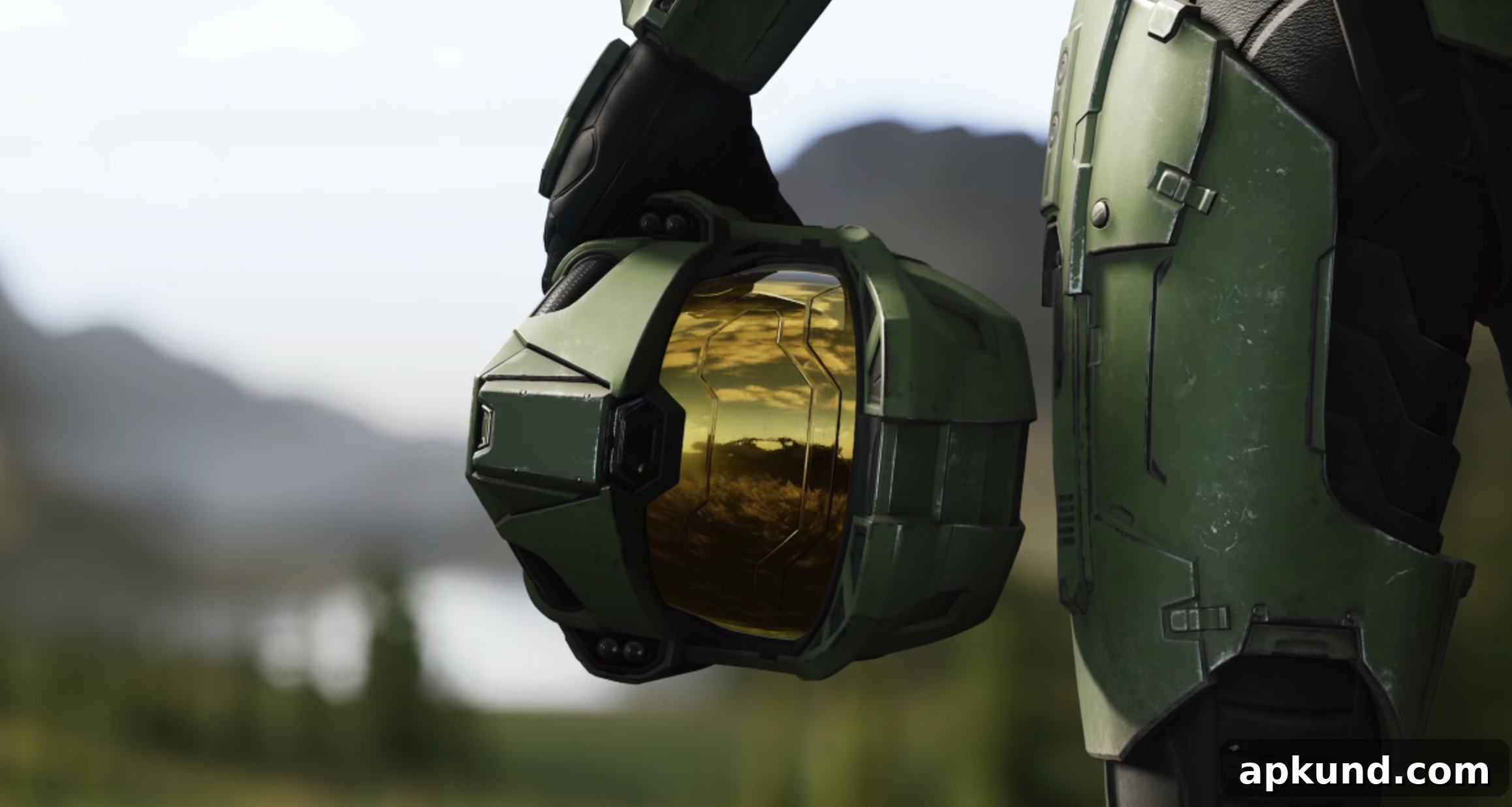
Beyond staffing changes, Xbox is reshaping how its studios are organized and published. The company is moving to larger publishing umbrellas intended to streamline development pipelines and clarify creative responsibilities. Under the new structure, Activision will oversee studios including World’s Edge and Rare, and it will also lead a newly formed team at Halo Studios focused on developing the next Halo title independently of Call of Duty. This separation aims to let Halo teams focus on franchise-specific design and storytelling without cross-project dependencies.
Bethesda will now incorporate Obsidian into its publishing umbrella. Obsidian will continue its current projects and collaborate with Bethesda Game Studios on a new Fallout title. This realignment is designed to foster deeper collaboration within complementary teams while preserving each studio’s creative priorities and active workstreams.
In other studio changes, King, the maker of Candy Crush, will integrate Microsoft Casual Games to consolidate live-operations expertise and tools. The move is intended to strengthen day-to-day live service management and bring together teams experienced in running ongoing player engagement systems. Additionally, Playground Games and Turn 10 will be merged into a single unit to manage both the Forza and Fable franchises, with the aim of unifying racing and open-world IP stewardship under one leadership structure.
Booty also provided updates about several studio divestitures. Compulsion, Double Fine, and Undead Labs are transitioning back to independent management while retaining their intellectual property, back catalogs, and runway funding from Microsoft. Undead Labs is expected to release State of Decay 3 day one on Game Pass under a new publisher agreement, ensuring continuity for the upcoming launch. However, divestment efforts for Ninja Theory did not reach completion, and the company now faces a potential closure, which is an unfortunate turn for the studio and its staff. Consultations regarding Arkane continue and are expected to proceed through the end of the year as Microsoft evaluates the best path forward for that team.
READ: Veteran Game Dev Hideo Kojima Teams up With Xbox for His Upcoming Action-Adventure Game
Looking ahead, Booty said Xbox leadership will host a town hall on October 6 to discuss these changes in more detail, address questions from employees and stakeholders, and outline the company’s vision for its future game lineup. That session will be an important moment for the division to explain how the new structures and studio alignments will translate into concrete plans for upcoming releases, live-service roadmaps, and long-term creative direction.
Overall, the reset reflects Xbox’s effort to balance creative ambition with operational discipline. By consolidating publishing responsibilities, divesting studios that will operate more effectively as independents, and continuing to adjust management layers, the company is positioning itself to focus resources on priority franchises and live services while attempting to maintain a diverse portfolio of games and development talent.