
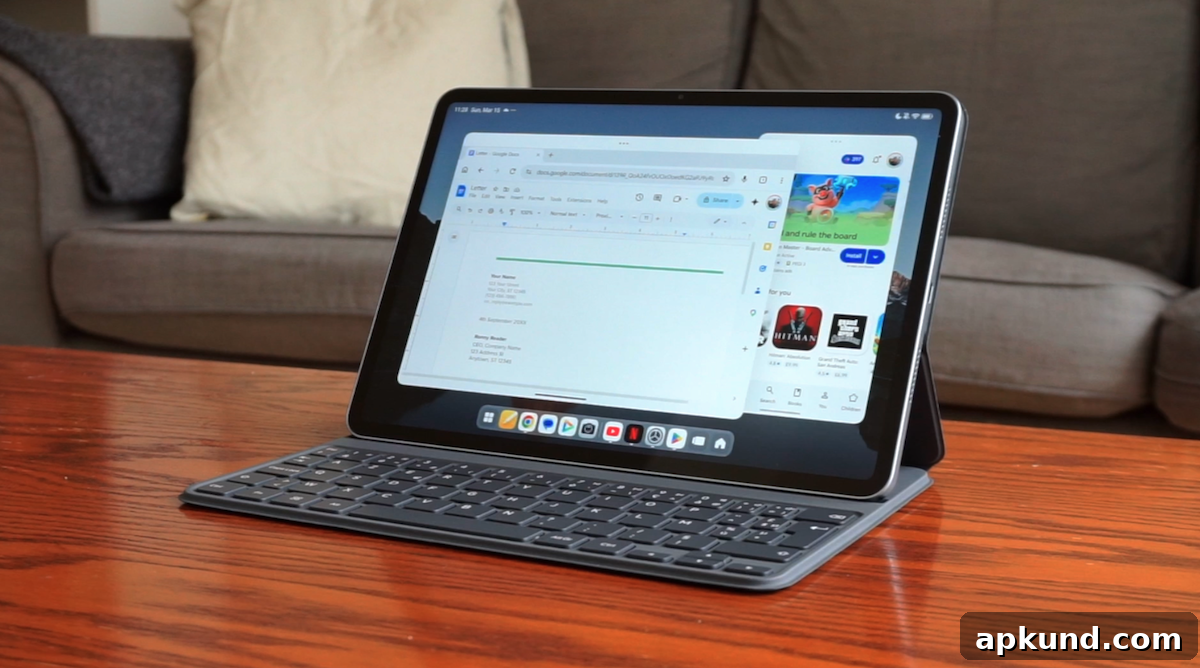
At this point, Xiaomi’s Pad line has proven it can compete with established tablet rivals like Samsung and Honor. The latest Xiaomi Pad 8 series aims to win buyers by balancing capable hardware with competitive pricing. Below is a clear, concise look at the Xiaomi Pad 8 and what it offers.
Between the Xiaomi Pad 8 and the Pad 8 Pro, the more affordable Pad 8 sacrifices a bit of raw power to hit a friendlier price point. That trade-off is intentional, but does the Pad 8 still represent good value despite those compromises? Let’s break it down.
Xiaomi Pad 8 Specs
- 11.2-inch IPS display, 2136 x 3200 pixels, 144Hz
- Aluminum unibody
- Qualcomm Snapdragon 8s Gen 4
- Starts at 8GB RAM / 128GB storage
- Android 16 with HyperOS 3
- 13MP rear camera, 8MP front camera
- 9,200mAh battery with 45W charging
- Extras: face unlock, Wi‑Fi 7, Bluetooth 5.4
Design and Display
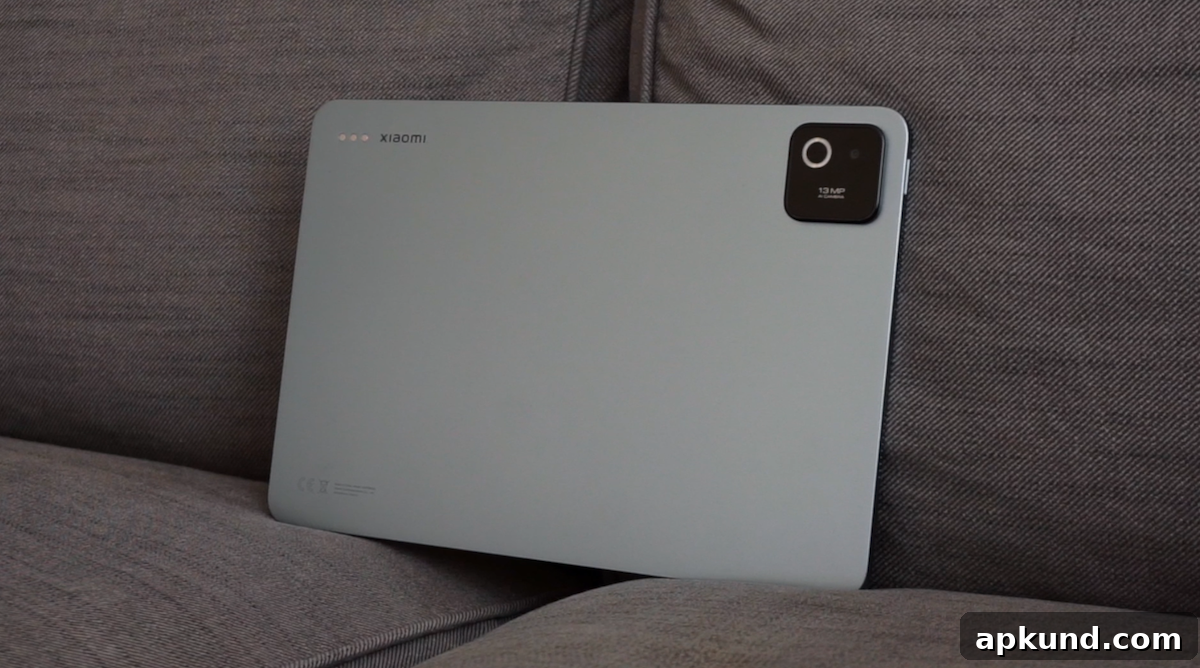
The Xiaomi Pad 8 follows the recent Pad design language with a slim, premium aluminum unibody and narrow bezels. It’s offered in multiple colors and has a clean, modern aesthetic that feels more premium than its price suggests. The build quality and materials help it sit comfortably in the tablet market as an appealing mid-range option.
The 11.2-inch IPS panel delivers a sharp 2136 x 3200 resolution and a fast 144Hz refresh rate for smoother animations and scrolling. The panel produces good detail and responsive visuals, though peak brightness tops out around 800 nits. That level is respectable, but it means outdoor visibility in direct sunlight can be limited compared with brighter flagship tablets. The Pad 8 also includes a quad-speaker array that gets decently loud, but it lacks a 3.5mm headphone jack, so wired listening requires an adapter or USB-C headphones.
Internal Specs and Performance

Under the hood, the Pad 8 runs on the Snapdragon 8s Gen 4, an upper-mid-range chipset that delivers near-flagship performance for most tasks. The base configuration pairs 8GB of RAM with 128GB storage, while a higher-tier 12GB RAM option is available for heavier multitaskers. In everyday use—web browsing, streaming, social apps—the tablet is smooth and responsive. Occasional stutters can appear during initial setup or heavy loading, but general performance is solid.
The Pad 8 handles graphics-intensive games such as GRID Legends surprisingly well and also supports a Workstation mode that creates a more desktop-like multitasking environment with floating windows and improved productivity workflows. Extended gaming sessions can make the device warm, so thermal behavior is something to watch if you plan to play for long stretches.
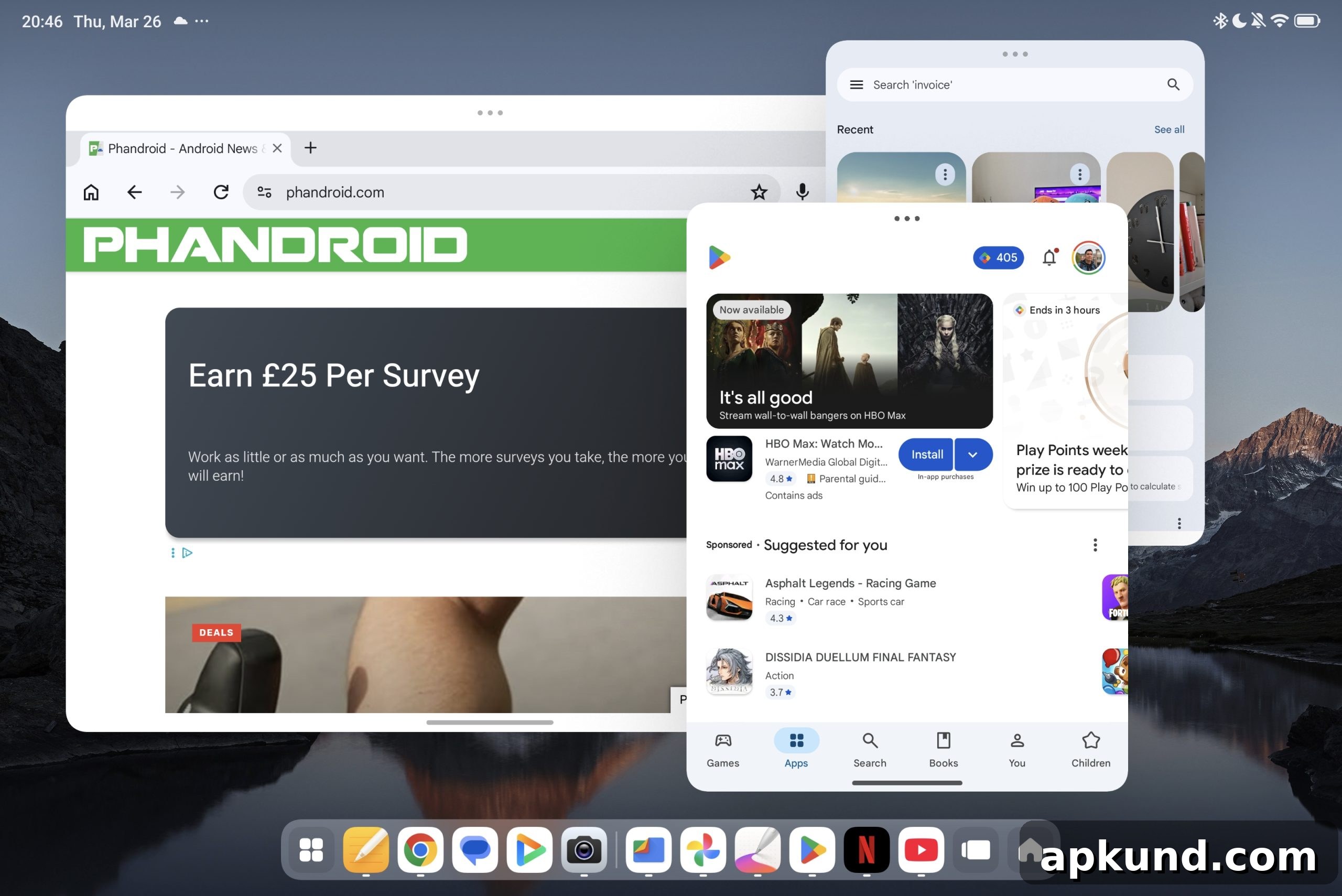
Storage starts at 128GB, and there’s a 256GB variant for those who need more space. One limitation is the lack of expandable storage—no microSD slot—so choose your capacity carefully if you plan to store many large files and games locally.
Software and Battery
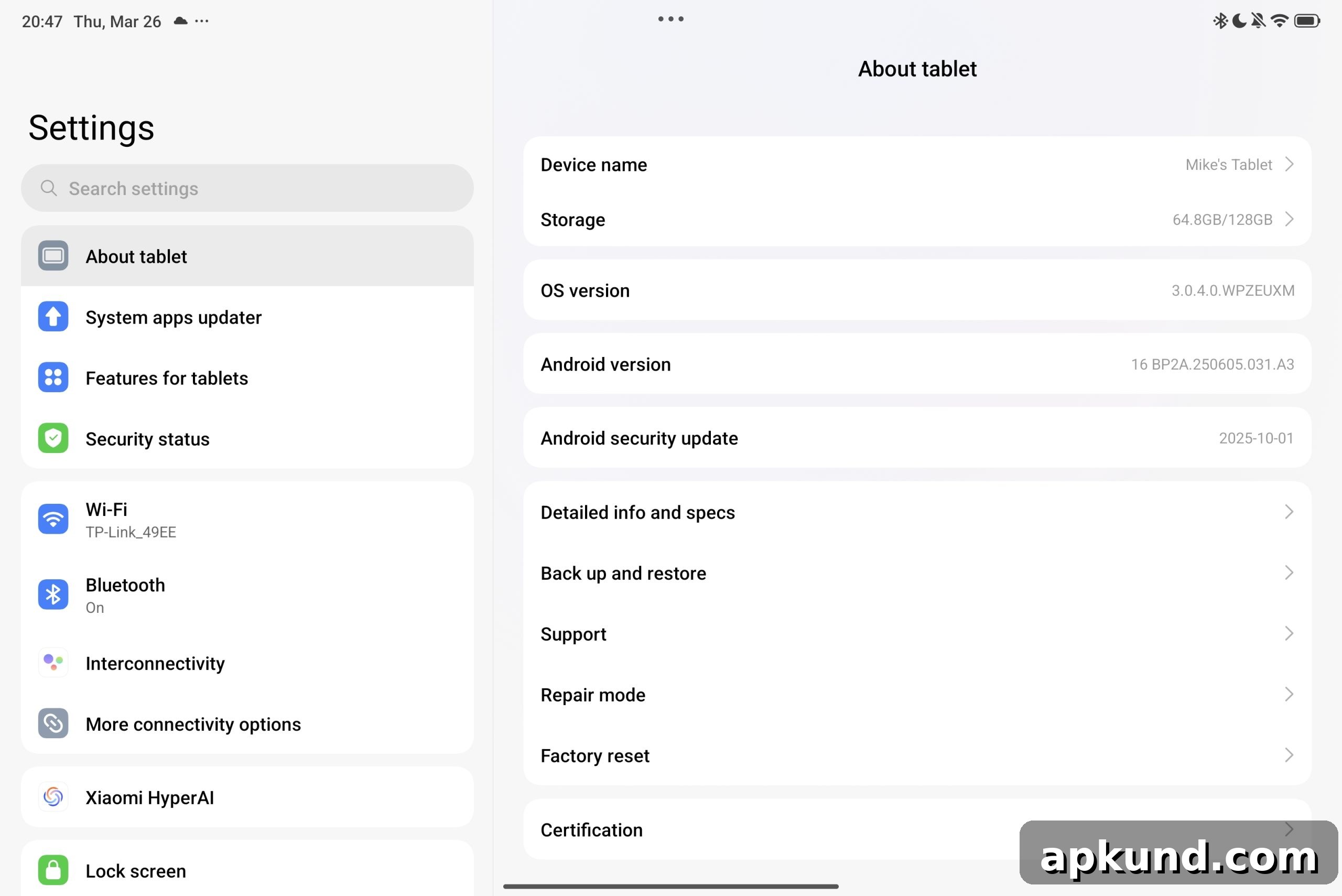
The Pad 8 ships with Android 16 layered with Xiaomi’s HyperOS 3. That means a familiar Android experience complemented by Xiaomi features and a number of preinstalled apps. Many of those can be uninstalled or disabled to reduce clutter. This global version includes Google Play services, enabling access to Gmail, Maps, and the Play Store. AI features such as Google Gemini and Circle to Search are supported, bringing useful modern tools to the tablet.
On the update front, Xiaomi’s tablets typically lag behind brands like Google and Samsung when it comes to frequent or rapid security patching, so expect slower software updates compared with flagship alternatives. Battery life is a strong point: the 9,200mAh cell routinely delivers more than a day of mixed use, and 45W wired charging helps minimize downtime.
Camera Hardware
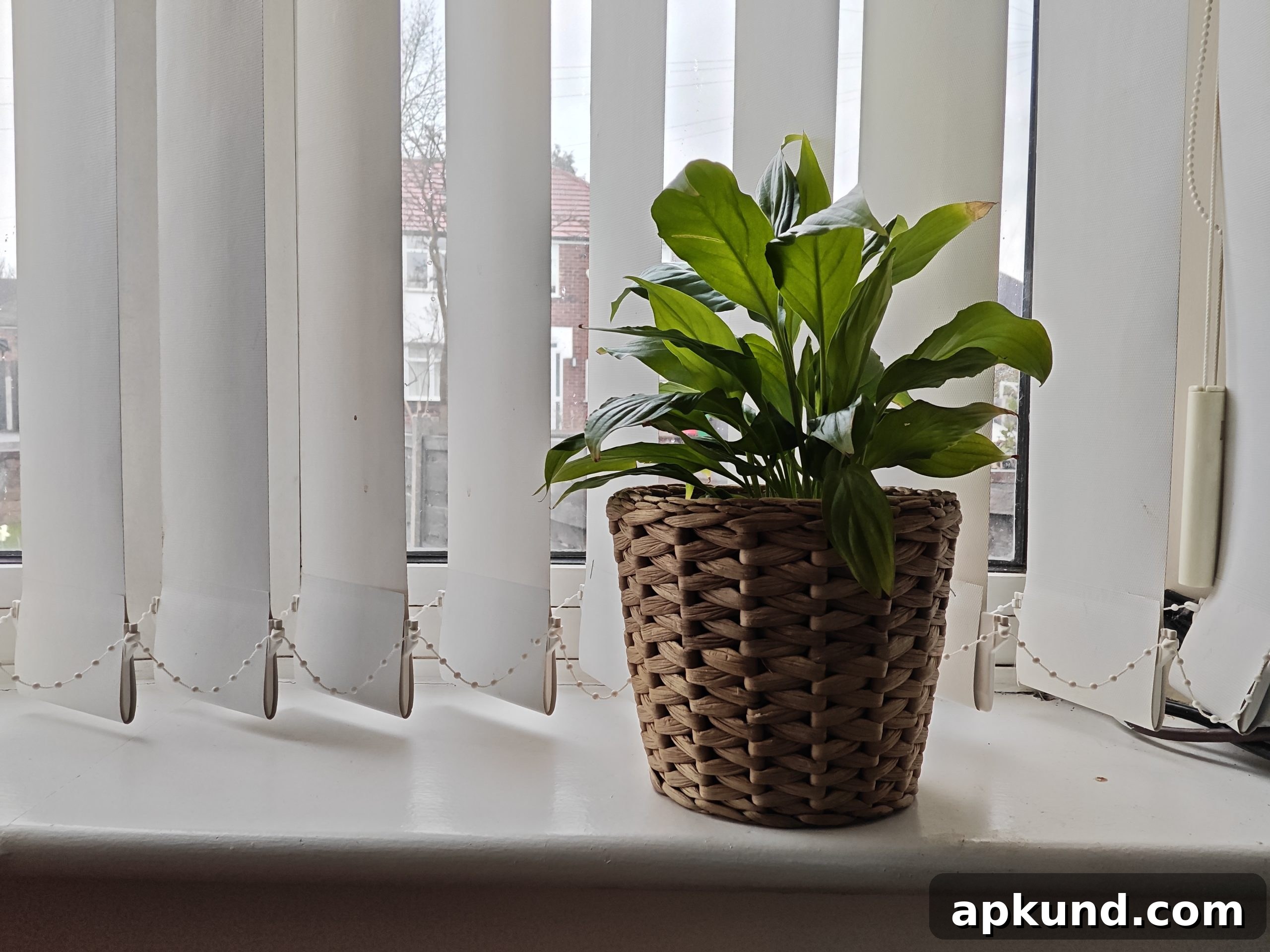
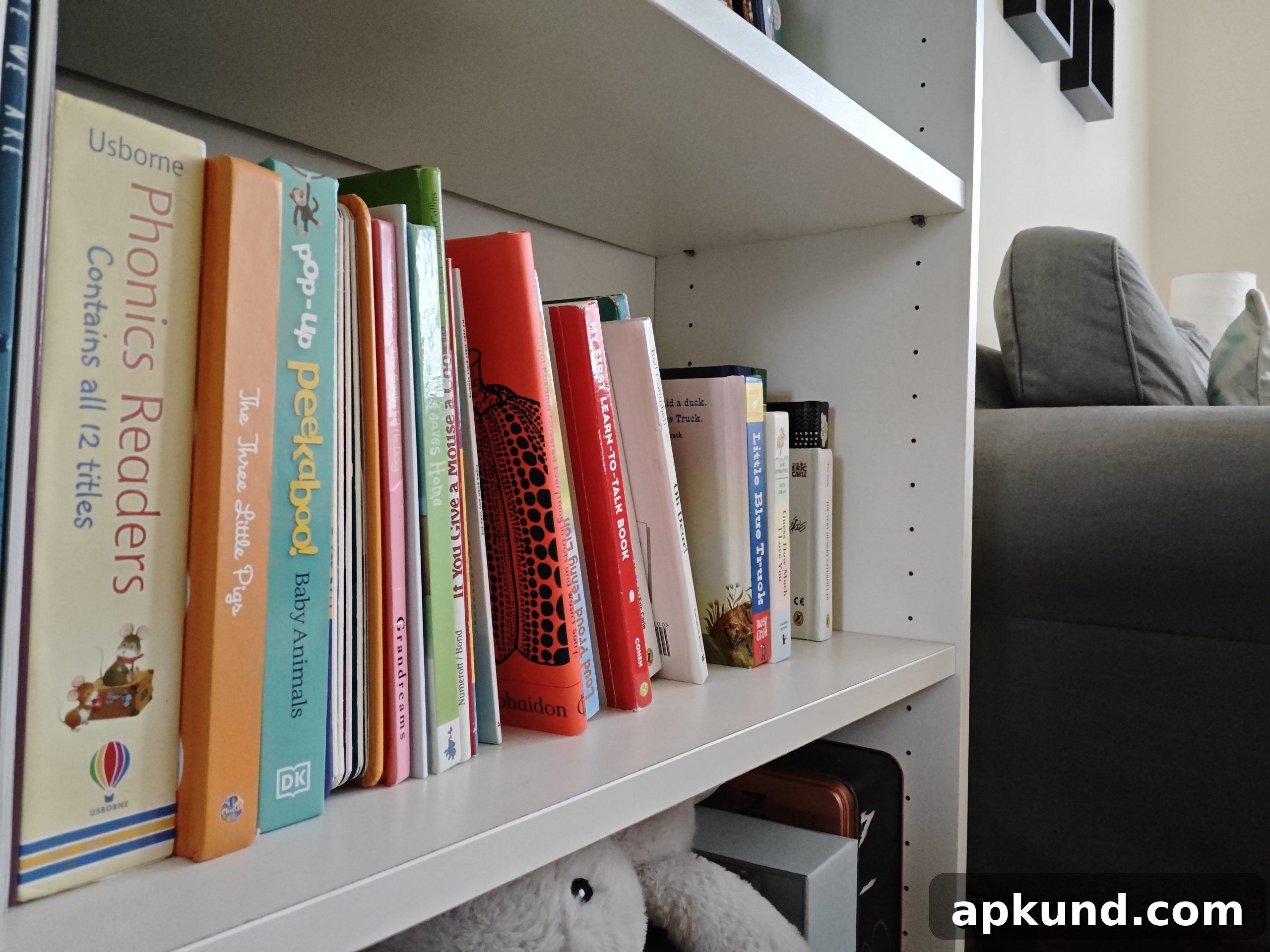
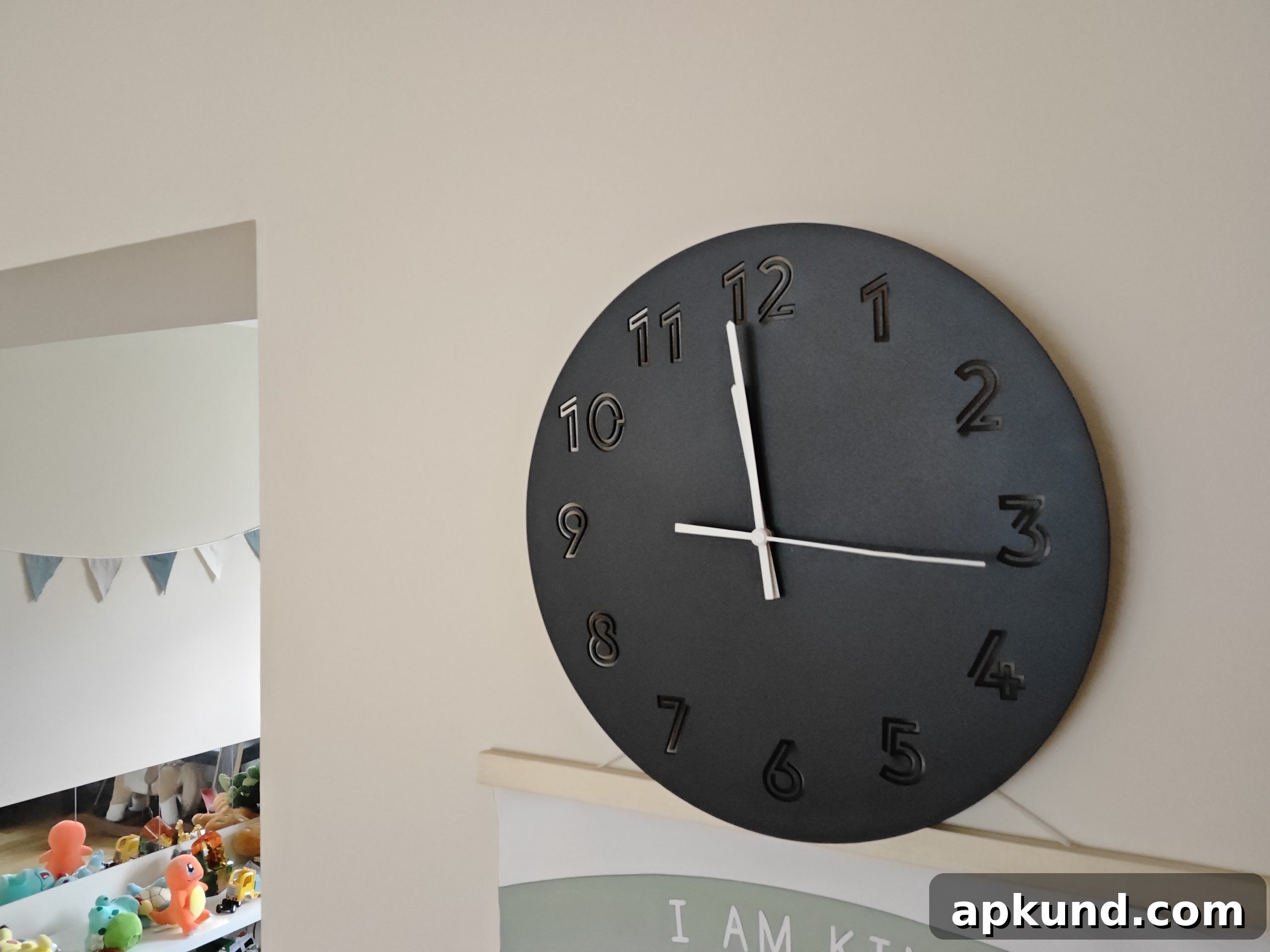
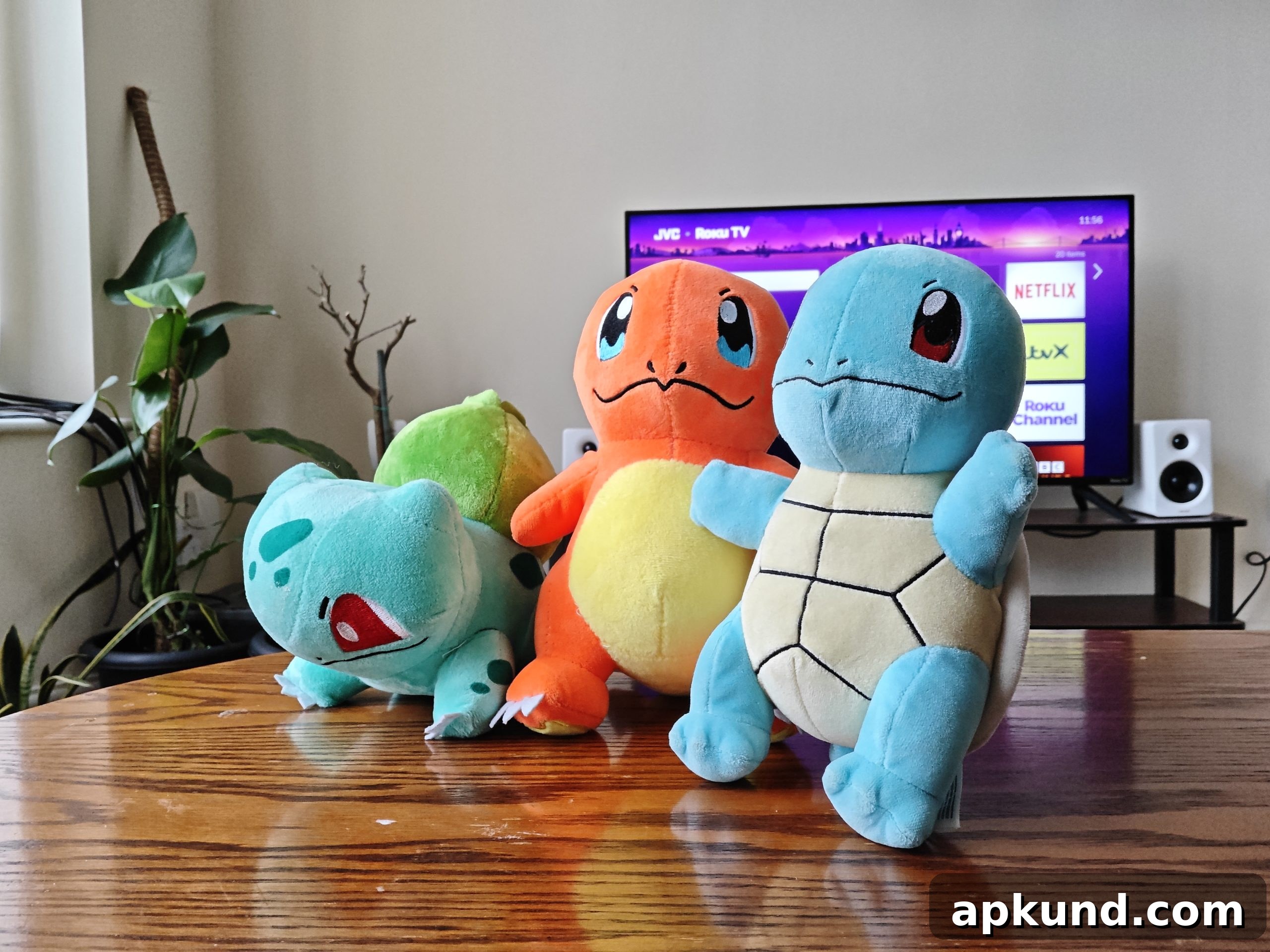
Tablet cameras are generally utilitarian, and the Xiaomi Pad 8 fits that pattern. It features a 13MP rear camera and an 8MP front camera—good enough for document shots, receipts, and video calls, but not a replacement for a dedicated smartphone camera. The front camera produces clear video for conferencing, and the rear camera is adequate for quick snaps.
So Should You Buy It?
At roughly a $400 equivalent price point, the Xiaomi Pad 8 offers a compelling mix of display quality, battery life, and performance that outpaces several rivals in the same segment. Its premium build and pro-style features such as a high-refresh display, capable chipset, and large battery make it a strong choice for students, casual creators, and anyone who wants a portable productivity device that’s lighter than a laptop.
There are trade-offs: no microSD card slot, no headphone jack, and slower software updates compared with some competitors. If those limitations are acceptable, the Pad 8 delivers a lot of value for the price and handles daily tasks and moderate creative work well. For buyers seeking more raw power or brighter displays, the Pad 8 Pro or other higher-end tablets remain alternatives, but for most users looking for a balanced, budget-friendly tablet, the Xiaomi Pad 8 is worth considering.