
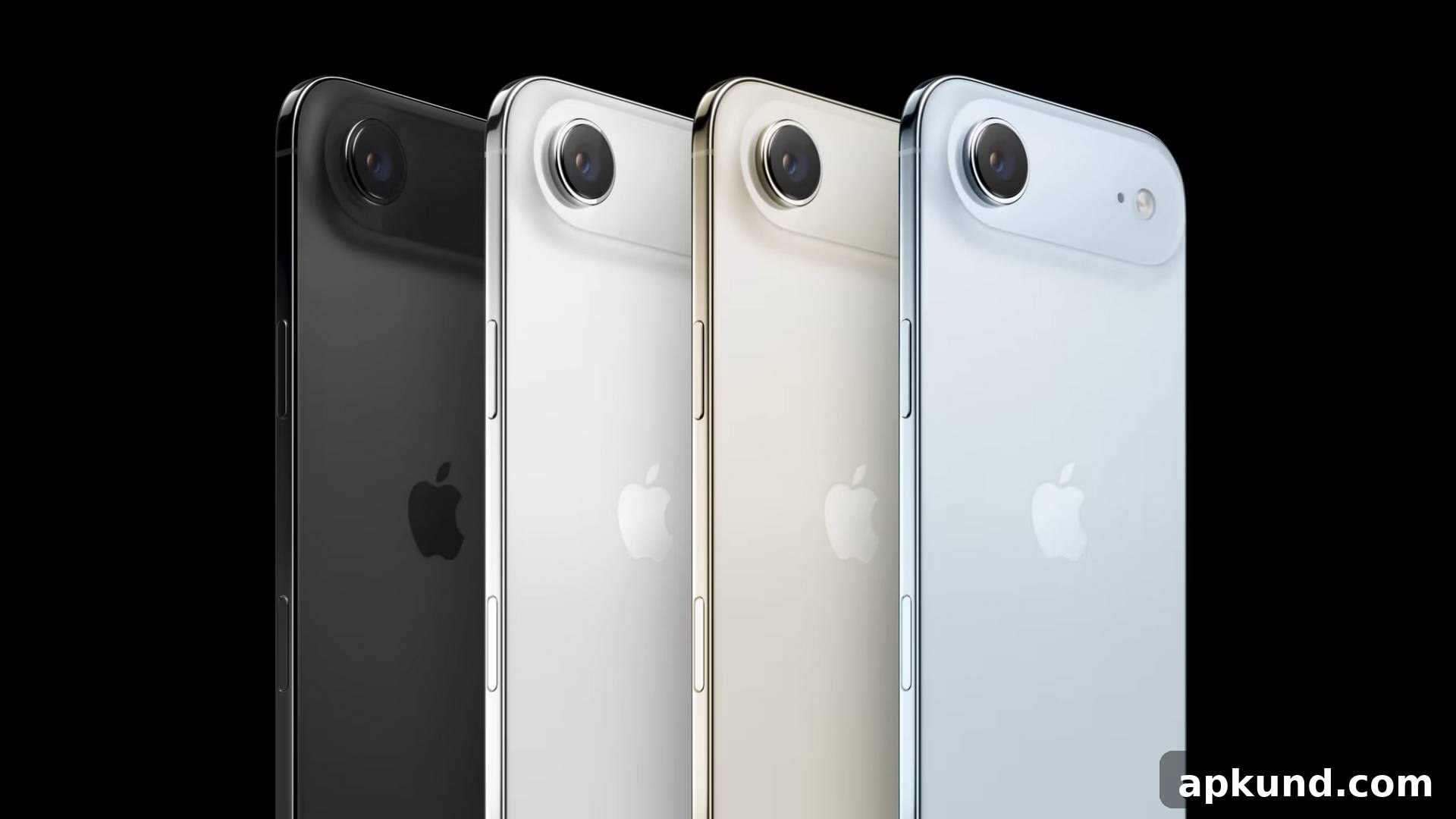
Apple hasn’t even released its first foldable iPhone yet, but the company is already planning the next step. According to Bloomberg’s Mark Gurman, engineers at Apple are exploring a clamshell-style foldable iPhone similar in concept to Samsung’s Galaxy Z Flip series. This potential model would fold closed like a compact flip phone and open into a standard iPhone-sized display.
The device is still at an early conceptual stage and is far from guaranteed to reach production. Gurman describes it as a “square, clamshell-style foldable phone” that would unfold into a traditional iPhone size. Imagine a Galaxy Z Flip or a Motorola Razr, but with Apple’s hardware and software approach and an Apple logo on the back.
This isn’t Apple’s first experiment with flip-style devices. Reports from 2024 indicated that Apple had built several clamshell prototypes while evaluating how best to enter the foldable market. At that time, Apple opted to prioritize a larger, book-style foldable design instead — the book-style foldable that is expected to launch as Apple’s first foldable iPhone.
Why Apple’s betting on multiple foldable formats
Apple’s consideration of a second foldable form factor suggests the company sees foldables as a strategic long-term category, not just a one-off experiment. The thinking appears to be that if the first foldable iPhone proves successful, Apple will expand the lineup to include different sizes and styles, in the same way it offers multiple sizes for standard iPhones.
The initial foldable iPhone is reported to resemble two slim iPhone bodies connected by a hinge, offering a large inner display and a smaller outer display for use when the device is closed. Rumored specifications include an approximately 7.8-inch inner display and a 5.5-inch outer display when closed. Price estimates for the first model point to a premium positioning, with expectations around $2,000, aimed at early adopters and enthusiasts rather than the mass market immediately.
A clamshell or flip-style iPhone would serve a different purpose: improved portability and pocketability over the larger, book-style foldables. Flip models are typically thinner and easier to carry when folded, which could appeal to users who want a compact phone without sacrificing a modern smartphone experience. The flip form factor has historically attracted buyers who prioritize convenience and style over maximum screen real estate.
Flip-style foldables also tend to have lower starting prices than larger book-style devices, which may make a clamshell iPhone a more accessible option for mainstream buyers once development and production scale up. If Apple chooses to offer both book-style and clamshell designs, it could mirror the strategy used for standard iPhones: multiple sizes and price points to address different user needs and budgets.
Meanwhile, other ambitious hinge-based products like a giant foldable iPad reportedly encountered development challenges. Apple appears to have decided that the smartphone is the safer platform to refine hinge technology and foldable displays before expanding into larger devices. Suppliers reportedly began preparing components for Apple’s initial foldable iPhone expected to launch in 2026, signaling that production plans for the first model are advancing.
Ultimately, whether a clamshell iPhone reaches the market will depend on how the first foldable performs commercially and technically. If the initial model is well received, Apple’s exploration of a flip-style option highlights the company’s intent to commit to foldables as a long-term product category. For now, the clamshell remains a concept under evaluation, reflecting Apple’s broader approach of testing multiple designs before settling on the versions it brings to consumers.