
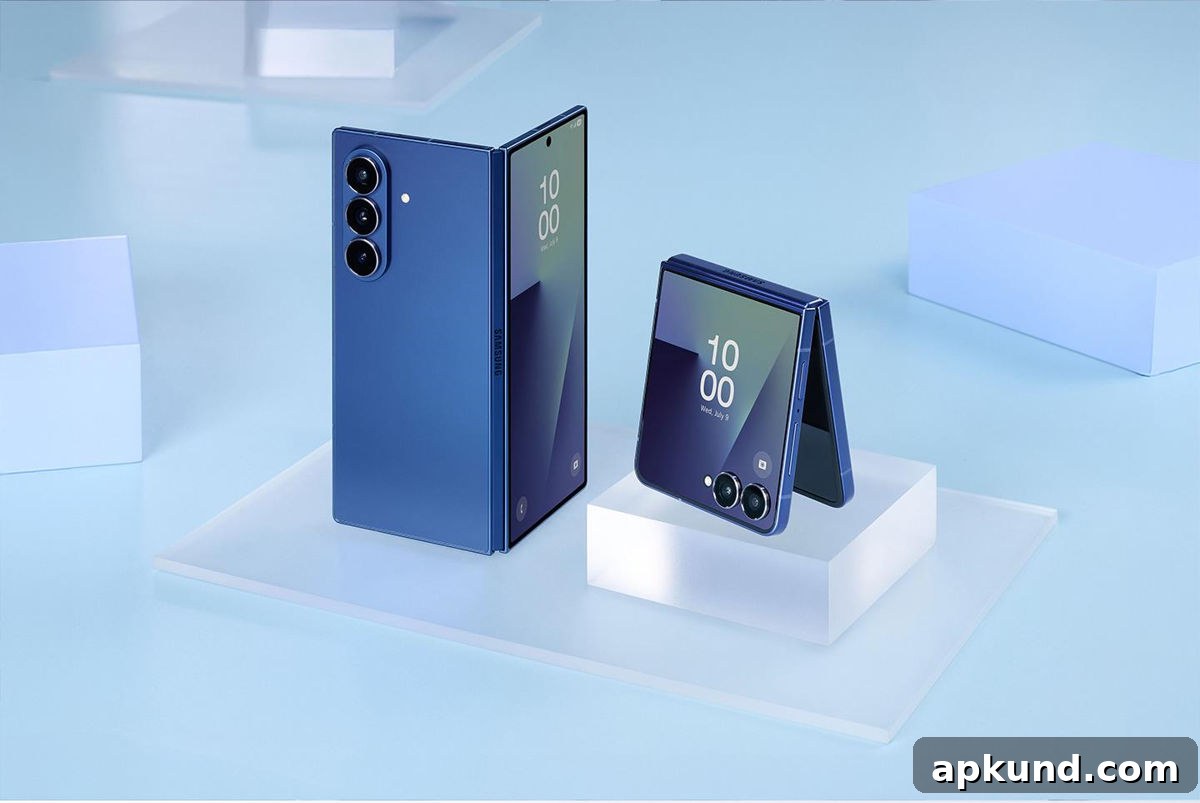
Samsung usually balances production across its foldable lineup, but this year looks different. According to a Korean report, the Galaxy Z Fold 8 Wide is expected to become the company’s most-produced foldable model for the year, with plans that could put it well ahead of other foldable variants.
Sources indicate Samsung has targeted roughly 2.8 million units of the Galaxy Z Fold 8 Wide. By comparison, the Galaxy Z Fold 8 Ultra is reportedly slated for around 2 million units, while the Z Flip 8 is set for a smaller run near 1.5 million units. Samsung has not provided an official confirmation of these production targets. The report adds that Samsung initially intended similar production numbers for the Wide and the Ultra, but those plans changed quickly, shifting emphasis toward the Wide model.
A quick naming clarification: Samsung reorganized its Fold lineup this year. The wider new 4:3 model carries the plain Galaxy Z Fold 8 name, while the taller, narrower format that many associate with previous Fold phones is now designated as the Ultra. This naming change helps explain why the Wide model is being spotlighted and why it could become the volume leader.
Why Samsung Is Betting So Big on the Wide Model
The Galaxy Z Fold 8 Wide introduces a noticeably different shape and proportion to Samsung’s foldable range. Reported details point to a 7.6-inch inner display paired with a 5.4-inch cover screen. Both displays are wider and shorter than the conventional book-style foldable, which creates a squarer, more tablet-like canvas when opened and a more usable, less cramped cover screen when closed. This design directly addresses a common complaint: many earlier foldable cover screens felt too narrow for comfortable day-to-day phone use, resembling a remote control rather than a fully functional smartphone display.
By widening both the inner and outer screens, Samsung appears to be aiming for improved usability across common smartphone tasks—typing, browsing, and watching video—when the device is folded or unfolded. The larger, more balanced cover screen in particular could make the Fold 8 Wide a stronger single-handed device than its predecessors, while the squarer inner display may better suit productivity and split-screen multitasking scenarios that benefit from additional horizontal space.
Price also appears to be an important factor in Samsung’s strategy. Multiple reports suggest the Galaxy Z Fold 8 Wide will be priced lower than the Fold 8 Ultra, positioning the Wide model as the more affordable option within the premium foldable tier. That pricing approach, combined with a device that prioritizes everyday usability over extreme thinness or narrow aspect ratios, seems designed to attract buyers who liked the Fold concept but were deterred by past models’ high prices or awkward cover-screen proportions.
Samsung already showed a shift in emphasis earlier this year by favoring the book-style Fold over the clamshell Flip in its product prioritization. Introducing a wider, more approachable Fold variant and producing it in larger numbers reads like a deliberate push to expand market appeal: make the foldable format feel more like a practical, mainstream smartphone choice rather than a niche premium experiment.
Samsung will unveil the full lineup and confirm details at its Galaxy Unpacked event on July 22. Observers and potential buyers will be watching to see whether the company’s production bet on the Wide model pays off—both in terms of sales volume and in how well the design changes address long-standing usability complaints.