
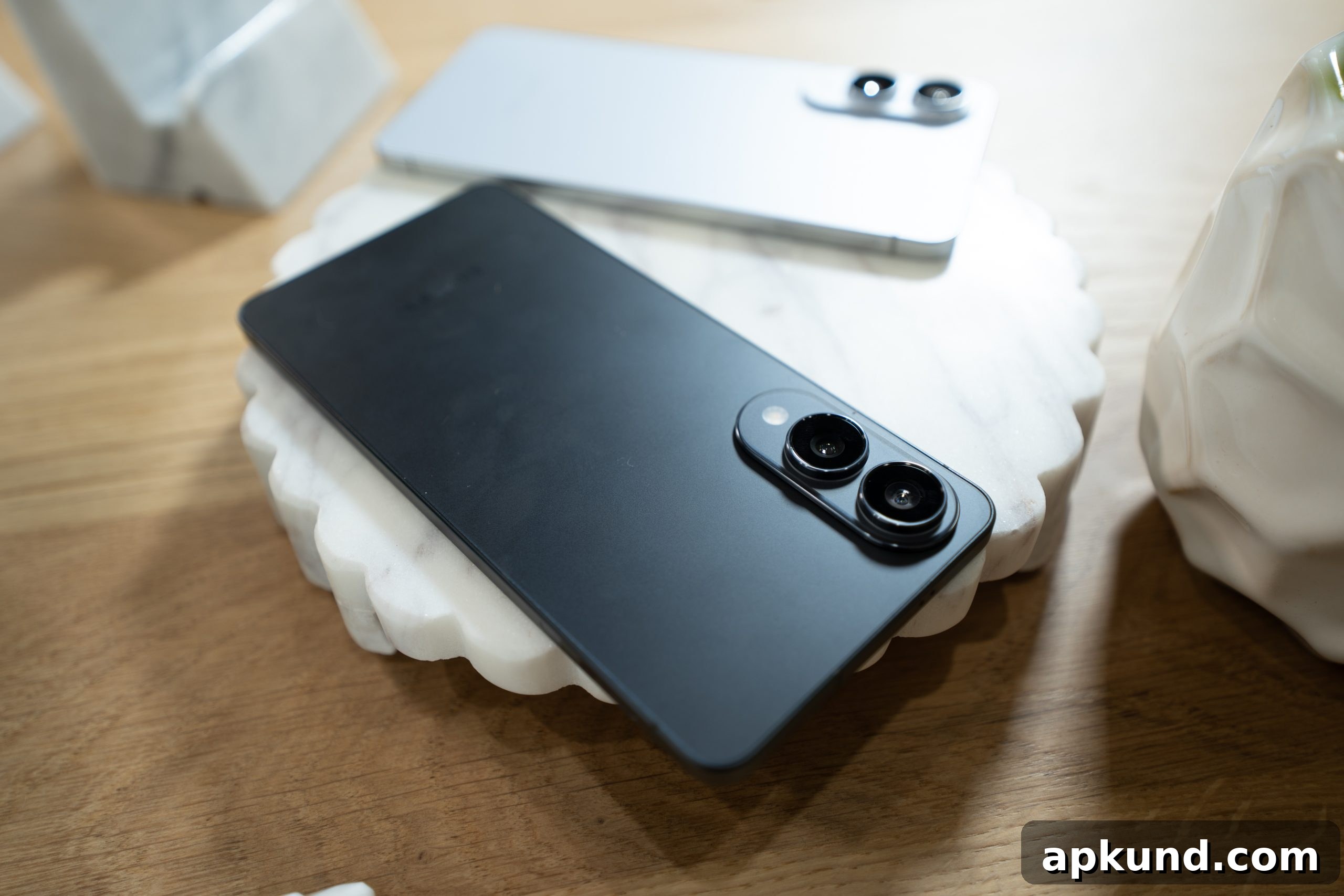
Samsung’s mobile division has hit an unprecedented milestone: it posted a loss. In the second quarter of 2026 the company reported an operating loss of roughly $500 million for its phone business, marking the first time in Samsung’s history that its mobile unit has failed to turn an operating profit.
But the headline loss is only part of the story. The more significant consequence is what this could mean for smartphone prices across the industry. Memory chip costs have surged so dramatically that even Samsung — one of the world’s largest smartphone manufacturers — is losing money on phone sales. That rise in component prices threatens to push retail prices higher for consumers, whether they buy a Samsung device or a rival brand.
Paradoxically, the broader company is thriving. Samsung as a whole recorded its strongest quarter on record, driven largely by its semiconductor business. Demand from AI data centers and enterprise customers has sent memory chip prices soaring, and Samsung’s chip division benefited substantially. The problem is that smartphones rely on the same memory components, and internal chip pricing and market rates have increased the cost of building phones. In effect, Samsung’s own successful chip business is raising the cost base of its phone division.
Importantly, Samsung did not suffer from weak demand. The company sold a large number of devices during the quarter: the Galaxy S26 series performed well, and its A-series budget models continued to sell in healthy volumes. On the revenue side, the mobile unit actually reported year-over-year growth. Yet higher memory and component expenses erased the profits that would normally have come from those sales. To put this in perspective, even during the severe Galaxy Note7 battery recall in 2016 — when Samsung recalled millions of devices and faced substantial remediation costs — the mobile division remained profitable. This marks the first time Samsung’s phone business has recorded an operating loss.
Samsung acknowledged the situation in its financial disclosures, pointing to elevated industry-wide component costs as the primary reason for the decline in earnings despite increased shipments. That transparency underscores how tightly linked component supply and semiconductor pricing are to device-level profitability, especially for products like smartphones that depend on advanced memory and storage parts.
What this means for your next phone purchase
For consumers planning to buy a new phone in the coming months, the key takeaway is that device prices are unlikely to fall in the near term. Memory chip prices, which climbed sharply over the past year, are not expected to return to previous lows any time soon. Other smartphone manufacturers are facing the same pressure, and many are already passing a portion of the increased component costs on to buyers. That means sticker prices for new phones — from flagship models to midrange handsets — may rise, or manufacturers may reduce bundled features and promotions to preserve margins.
If you were hoping to wait for discounts or a price correction, temper those expectations. Instead of widespread reductions, the immediate market outlook suggests either stable or gradually higher launch prices, along with fewer aggressive discounts. Carriers and retailers might still offer trade-in deals or financing plans to ease the upfront cost for buyers, but the baseline retail price for new models will likely reflect the higher component costs.
For buyers focused on long-term value, consider a few practical steps: evaluate the total cost of ownership (including carrier plans and trade-in offers), prioritize features that matter most to you rather than chasing incremental spec gains, and look at models from the previous generation where price gaps can be more attractive. If you can delay an upgrade and are satisfied with your current device, waiting could still pay off once memory prices stabilize and competition forces companies to adjust their pricing strategies.
In short, the ripple effects of rising semiconductor prices are already visible in the smartphone market. Samsung’s mobile division recording an operating loss is a striking example of how component costs can overwhelm otherwise strong sales. Until the memory market cools, expect device manufacturers to reflect higher costs in product pricing or to find other ways to protect profit margins.