
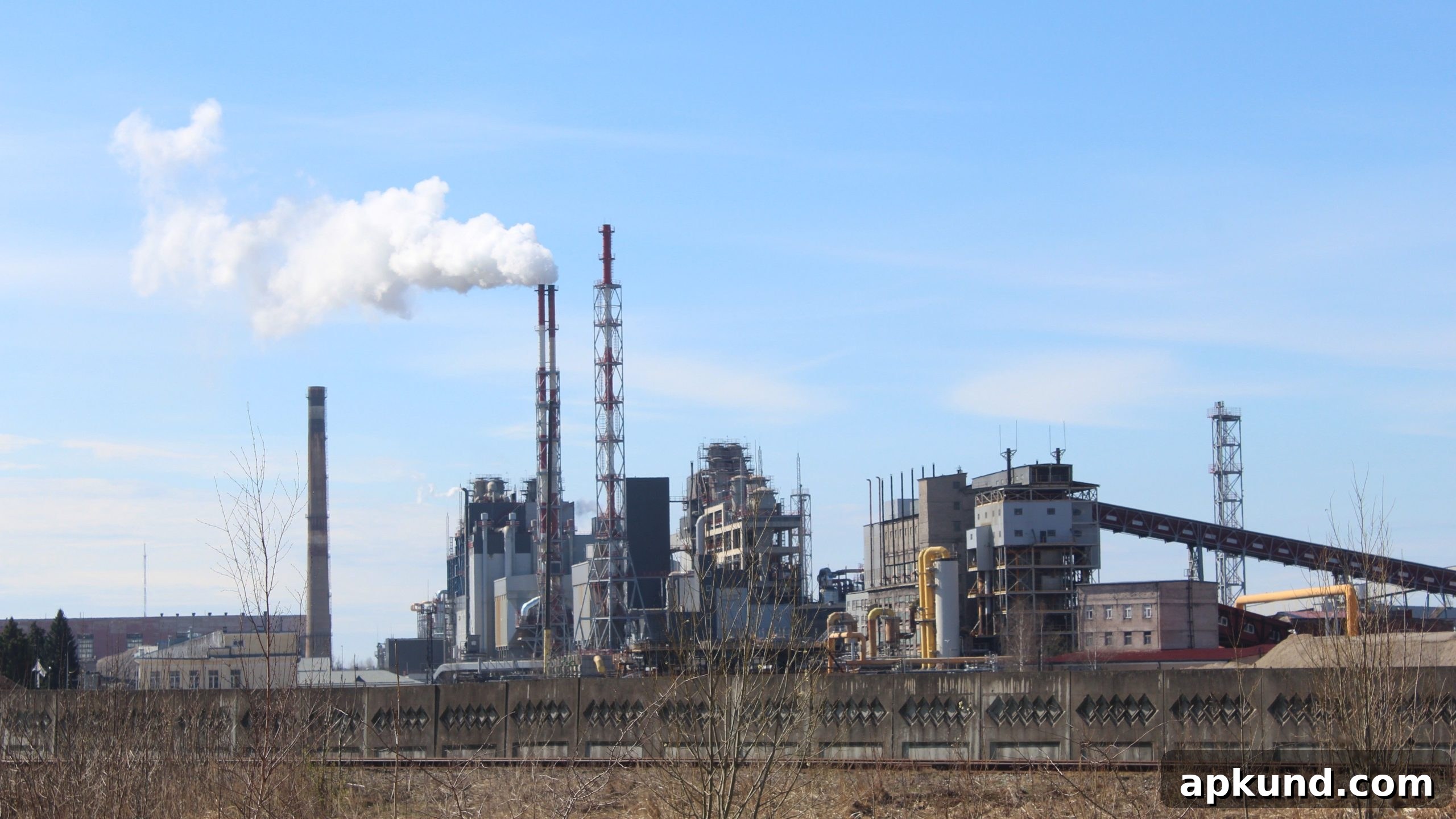
Google has announced a partnership with Swedish green technology company Stegra to support the launch of what is described as the world’s first large-scale, green hydrogen-based, near-zero emissions steel plant. The facility will be located in Boden, Sweden, and represents a significant step toward decarbonizing one of the most carbon-intensive industrial sectors.
How the plant works
Traditional steel production relies heavily on coal and coke in blast furnaces to reduce iron ore into metallic iron, which produces substantial carbon emissions. Stegra’s approach replaces fossil fuels with renewable electricity to generate green hydrogen, and that hydrogen is then used in the direct reduction of iron ore. By substituting hydrogen for carbon-based reductants, the process can reduce lifecycle emissions from steelmaking by up to 95% compared with conventional methods. This dramatic cut in emissions is achieved without claiming to eliminate every source of greenhouse gases, but by targeting the primary source: the chemical reduction step traditionally driven by carbon.
Google’s role and offtake agreement
As part of the agreement, Google will secure environmental attribute certificates corresponding to up to 91,000 metric tons of steel produced in the plant’s first year. These certificates help provide a predictable demand signal and financing support that can accelerate deployment of this low-carbon production method. Google also plans to incorporate steel produced by the plant into its data center construction and other infrastructure, helping to reduce the embodied carbon of those projects.
Impact on Google’s sustainability goals
Google expects the use of sustainable materials like green-hydrogen steel to lower embodied carbon in its data center infrastructure by as much as 40% for specific projects. This initiative aligns with a broader effort by Google to reduce the carbon footprint of its buildings and operations. In addition to experimenting with low-carbon concrete and alternative steels, the company has committed to incorporating such materials in more than 20 construction projects in 2025.
Context and broader efforts
Steel is a foundational material for construction, manufacturing, and infrastructure, so decarbonizing its production can have ripple effects across many industries. Large-scale demonstrations like the Stegra plant provide valuable operational data and market signals that can reduce costs and encourage wider adoption. By partnering with buyers like Google, project developers can better secure the financing needed to scale up innovative production methods.
Separately, Google continues to engage in other climate-focused research and partnerships. For example, the company recently announced collaborations in the United Kingdom and the Asia Pacific region to study and mitigate the warming impact of aircraft contrails, working with industry partners to test operational approaches across different flight environments and routes. These efforts illustrate how technology firms can use a combination of procurement, research, and operational trials to tackle distinct sources of greenhouse gas emissions and climate impacts.
Why this matters
Replacing fossil-based steelmaking at scale would address one of the largest remaining industrial sources of CO2. Early commercial projects that demonstrate feasibility and cost pathways are critical to unlocking broader market transformation. Agreements between technology companies and innovative manufacturers help translate pilot projects into commercially viable solutions, attracting further investment and encouraging policy frameworks that support low-carbon industry.
Google’s partnership with Stegra is an example of how corporate procurement can be used strategically to accelerate climate innovation, while also offering tangible reductions in emissions for high-impact infrastructure projects. As the Stegra plant begins production and the industry monitors performance and costs, this collaboration could inform future efforts to decarbonize steel and other heavy industries.
READ: Google Teams up with Cathay Pacific for its Climate Research Initiative