
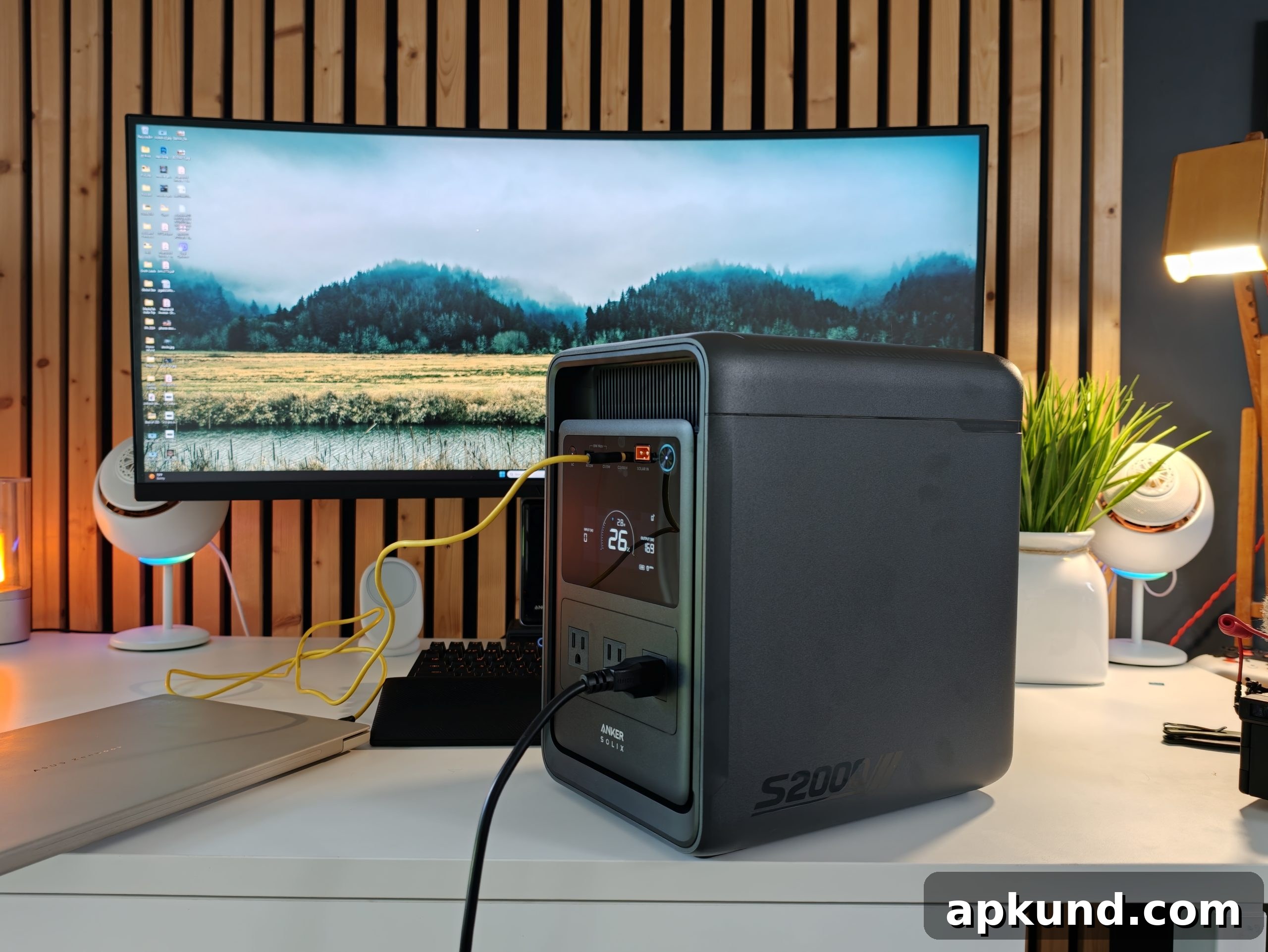
Most portable power stations are judged by a single metric: battery capacity. Bigger often seems better, even if a portion of that energy never actually makes it to your devices. The Anker SOLIX S2000 approaches the problem differently. Instead of simply adding more cells, it focuses on reducing the amount of energy wasted so more of the stored power actually reaches your fridge, laptop, or other appliances.
Every power station loses some energy just by being turned on. This idle draw — energy consumed while the unit is not actively powering devices — is often overlooked. Many comparable units waste roughly 10 to 20 watts per hour when idle. Over days and weeks that loss compounds, reducing the usable capacity you thought you had available. The S2000 aims to tackle that inefficiency at the source.
A Different Kind of Idle Problem
oplus_8593088512
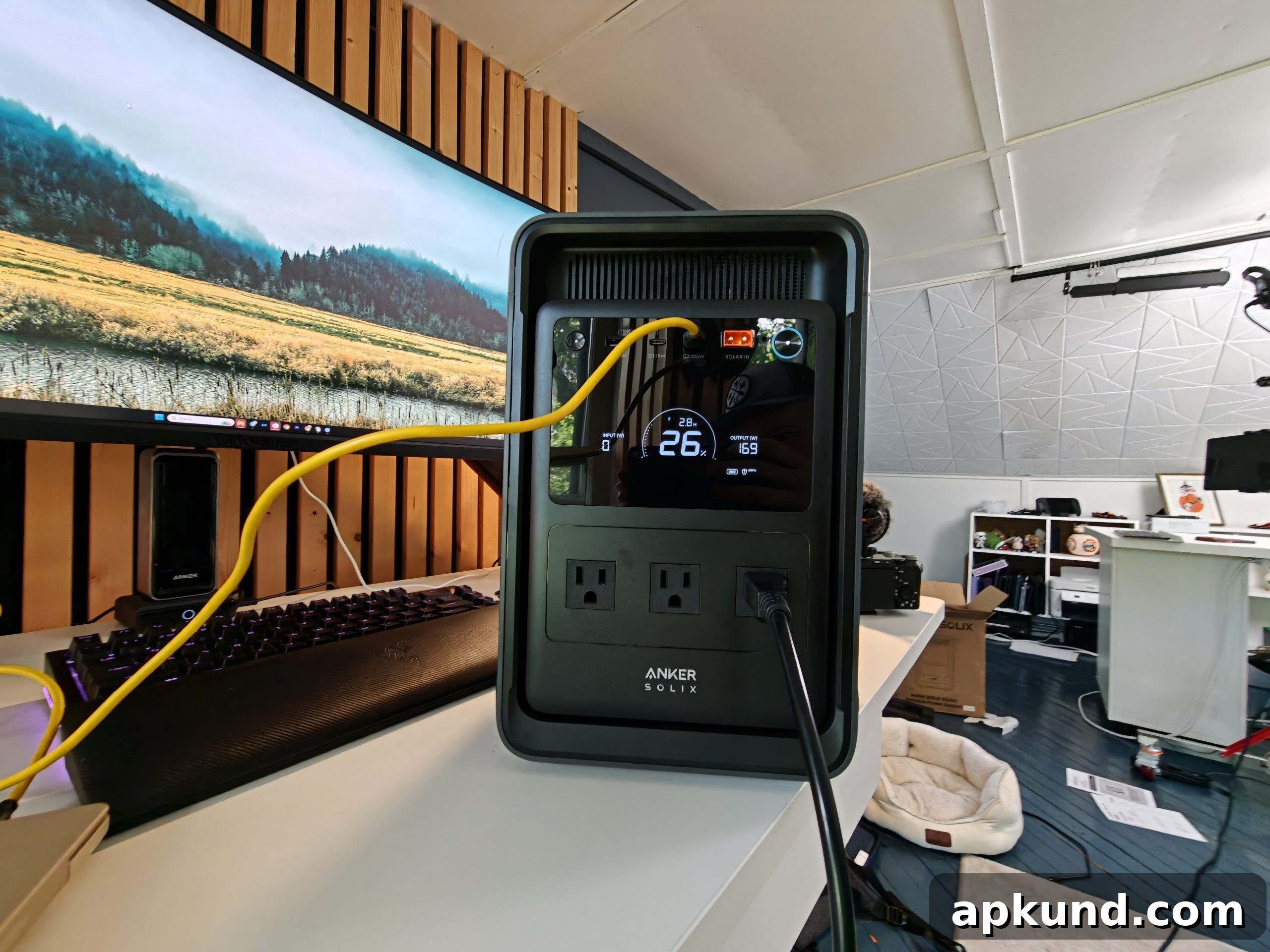
Anker calls its energy-saving approach OptiSave. The system specifically targets two common sources of waste: idle draw and poor efficiency at light loads. Anker claims OptiSave reduces the S2000’s idle draw to under 6 watts, a dramatic drop compared with many 2 kWh-class units. The company also reports an improvement in light-load efficiency of about 10 percent compared to industry averages. While that level of engineering doesn’t always make for flashy marketing, it can have a meaningful effect on real-world runtime.
Lower idle consumption means more of the battery is available when you need it. Anker advertises up to 35 hours of continuous refrigerator backup on a single charge and has validated that figure with live testing. The S2000 carries a TÜV SÜD A+ Runtime certification, representing the program’s top rating for runtime performance.
Big Capacity, Small Footprint
oplus_8593080320
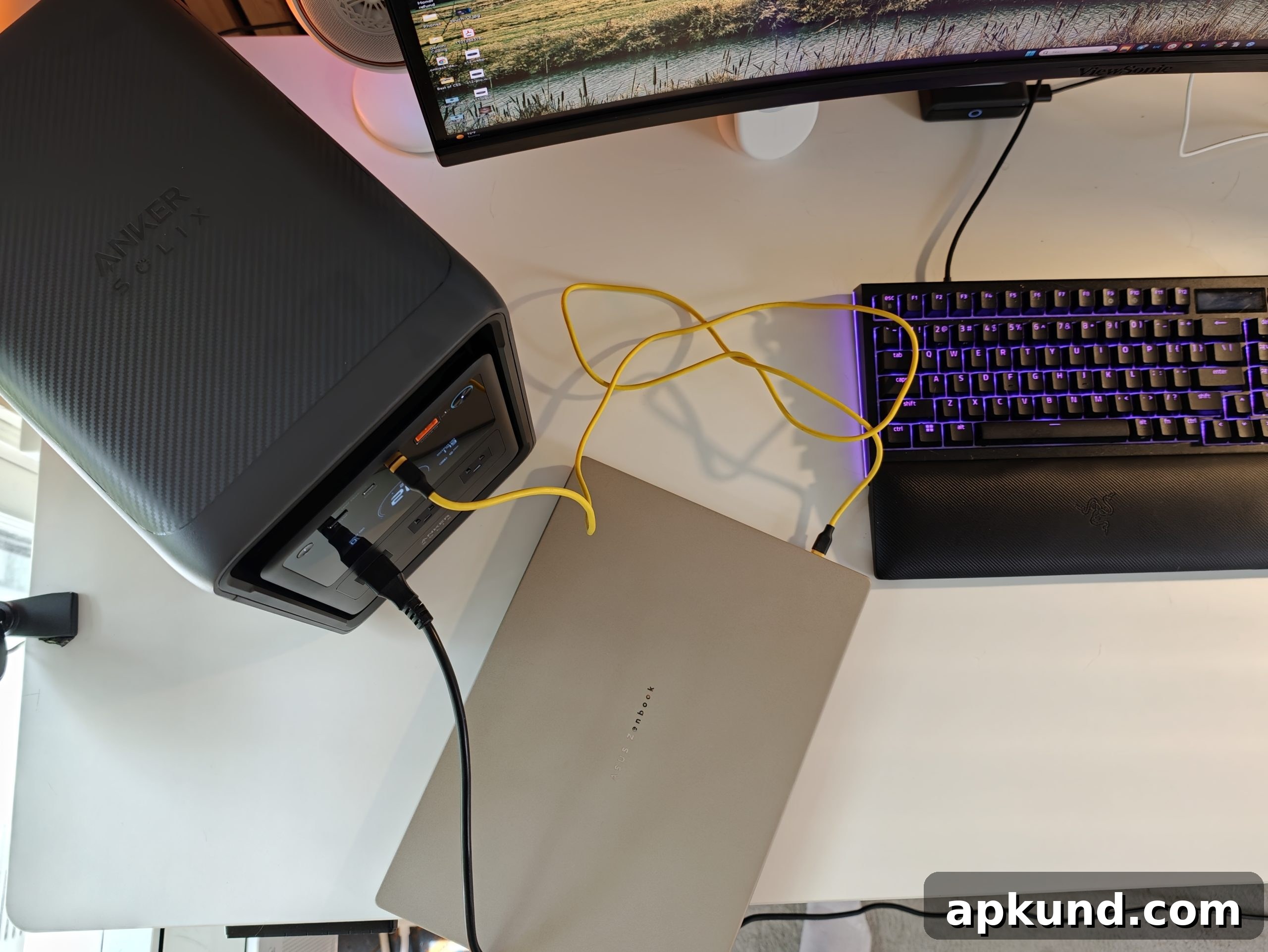
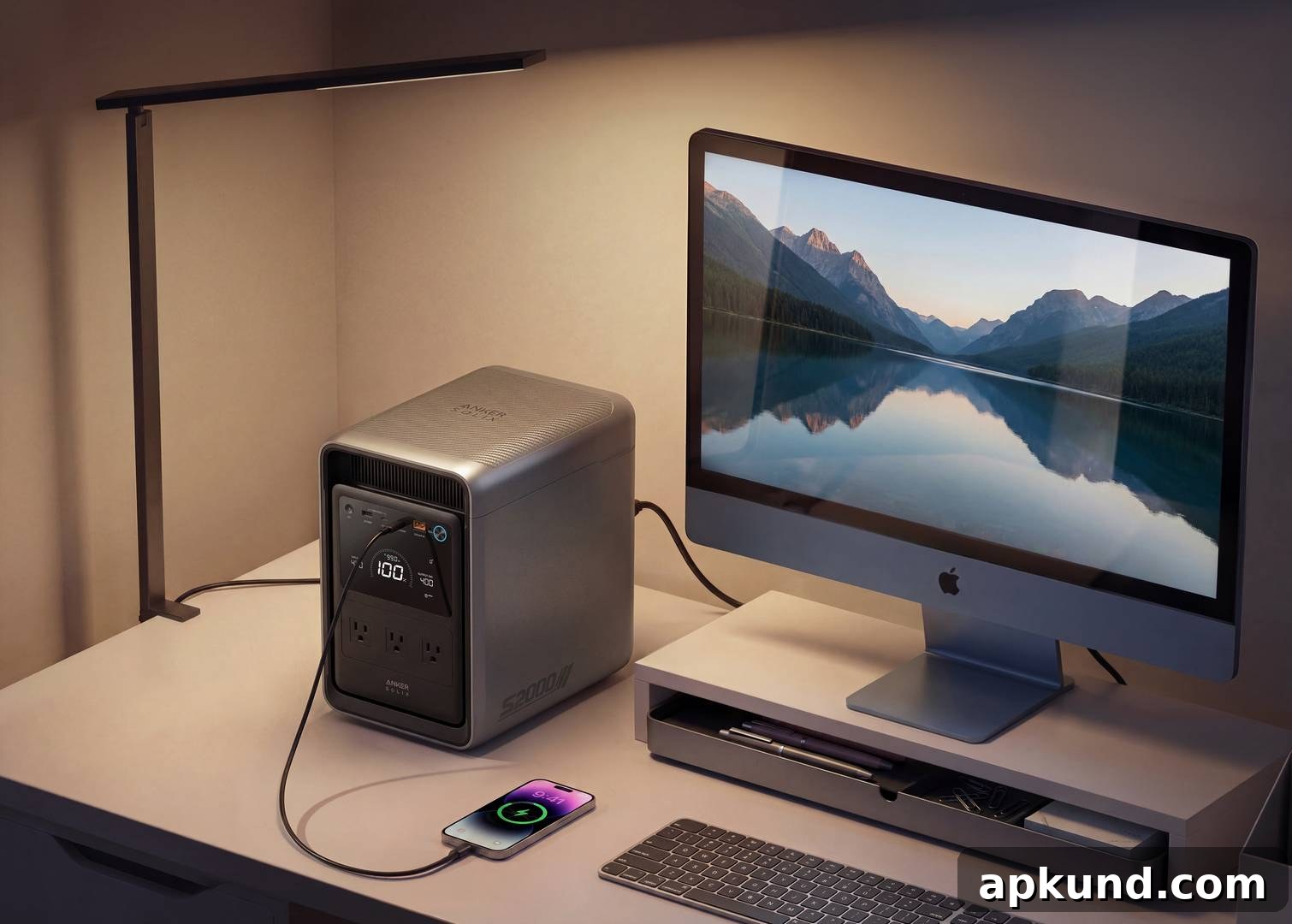
Despite its 2,010Wh capacity, the S2000 is surprisingly compact. The unit measures approximately 8.19 by 11.1 by 12.7 inches and weighs about 35.7 pounds — dimensions closer to many 1 kWh units. For a battery of this size, that’s a notably small package, which makes it easier to tuck into kitchen corners, closets, or tight storage spaces without dominating the area.
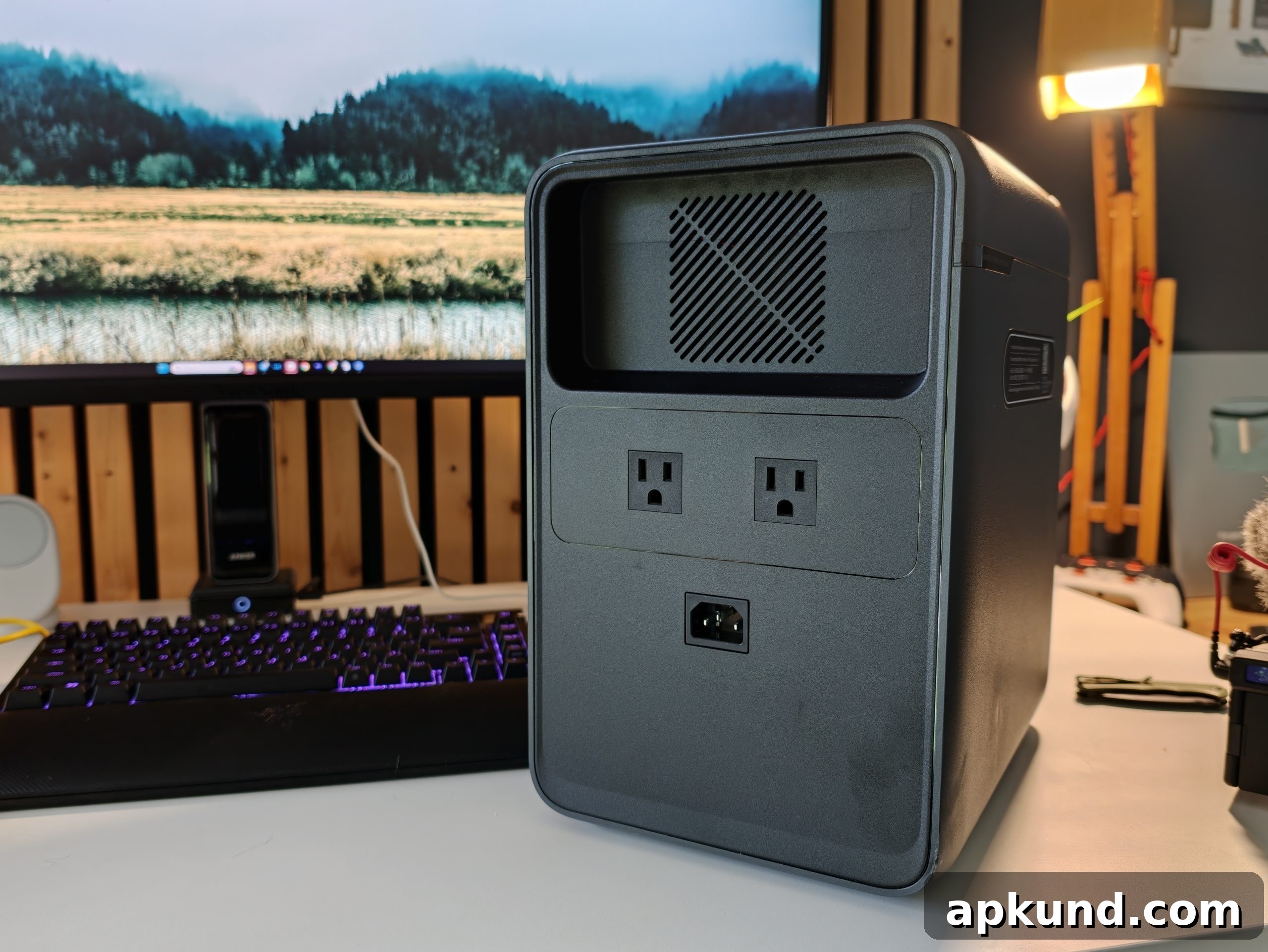
The layout of the ports reinforces the design’s practicality. Outlets are split between the front and rear so you can route permanent connections out the back while keeping the front free for items you plug and unplug frequently. That simple arrangement helps avoid the cable clutter that often results when a power station is placed against a wall.
Output capability is adequate for many household scenarios: the S2000 supports 1,500W continuous output and a 3,000W peak for short bursts. That level of power is suitable for running a refrigerator and several smaller devices simultaneously. It is not intended as a whole-home backup — Anker’s larger SOLIX models are aimed at those use cases — but it serves well as a focused home backup and portable power solution.
Built to Last Longer Than You’d Expect
oplus_8593088512
Battery longevity is a critical factor many buyers overlook until performance noticeably declines. The S2000 uses LiFePO4 cells rated for up to 10,000 charge cycles, a lifespan Anker says can translate to roughly 15 years of service under typical usage patterns. That endurance is significantly longer than many competing power stations, and it helps spread the total cost of ownership across many years.
Recharging is flexible and convenient. The S2000 accepts AC charging, solar input, car outlet charging, and generator input. It supports up to 400W of solar power, allowing integration with rooftop or portable solar panels. A built-in transfer switch enables automatic switchover during outages in under 10 milliseconds, so devices already plugged in should remain powered without interruption — important for appliances like refrigerators or medical devices that are sensitive to brief power losses.
App Control Without the Hassle
The SOLIX S2000 pairs with Anker’s mobile app over Wi-Fi or Bluetooth. The app mirrors most of the unit’s status information and controls on your phone, so you can check charge level, toggle individual outputs, and install firmware updates remotely. Anker also says the app can anticipate severe weather and prompt the unit to top off its charge ahead of a storm, helping ensure the battery is ready when an outage arrives.
There’s also a time-of-use charging feature that lets you schedule charging during off-peak electricity periods when rates are lower. Over months and years, optimizing charge times can reduce operating costs and improve overall value.
Pricing and Availability
The Anker SOLIX S2000 has a manufacturer’s starting price of $679.99. It is sold through Anker’s retail channels and major online retailers. Anker has offered promotional pricing at launch and from time to time, so checking current offers is a good idea if you’re considering a purchase.
The S2000 anchors Anker’s S-Series, a lineup designed with home backup use cases in mind rather than primarily camping and outdoor activities. While many power stations in this class compete on raw battery size, the S2000 emphasizes usable energy by minimizing losses. For users who value runtime efficiency, compact design, and long-term durability, that approach may be more important than sheer capacity alone.
Note: this article may contain affiliate links that help support our authors and keep the site running.