
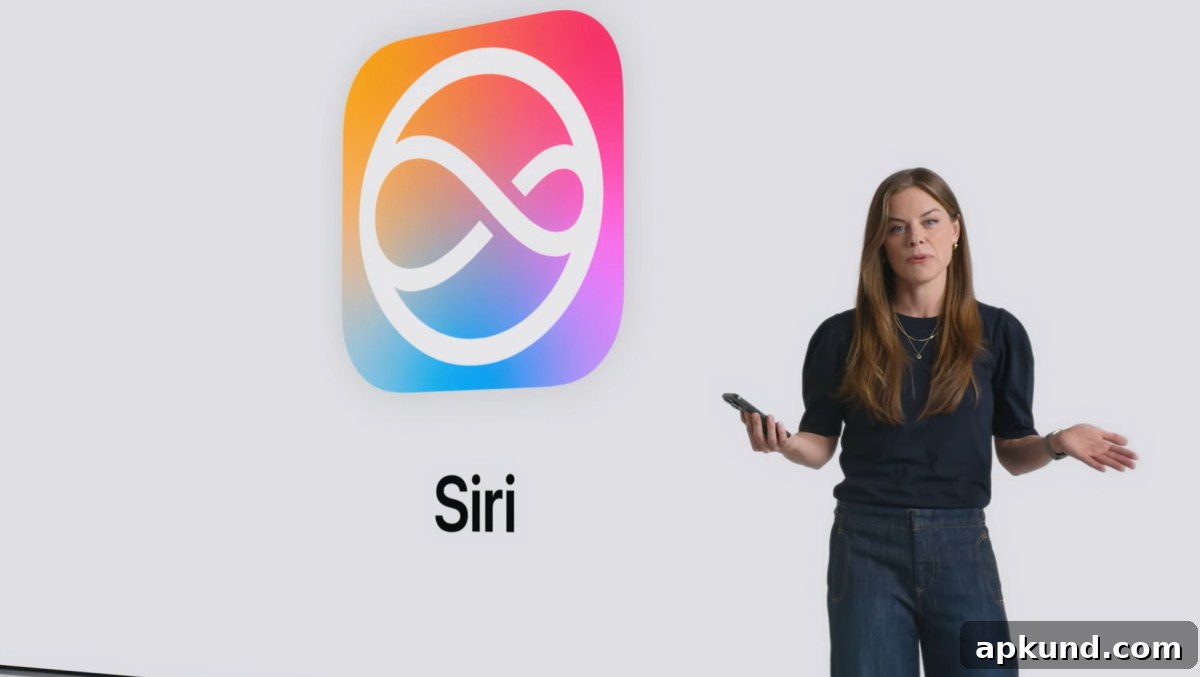
Apple has long promised a smarter, more capable Siri, and over the years many of those promises have been delayed. One aspect that received comparatively little attention until recently was how Siri would handle user privacy and conversation retention. Now, with WWDC 2026 approaching, Bloomberg’s Mark Gurman reports that Apple will introduce more explicit retention controls in a standalone Siri app bundled with iOS 27.
The new standalone Siri app will give users clear options to manage how long Apple keeps their conversation history. Those settings will include three choices: automatically delete chats after 30 days, automatically delete chats after one year, or retain chats indefinitely. This approach closely mirrors the retention options already available in the Messages app, allowing users to select the timeframe that best matches their comfort level and privacy expectations. Once chosen, Siri will follow the selected retention policy for stored conversation data.
What Else the New Siri App Brings
Beyond retention controls, the Siri app represents a larger shift in how Apple presents its voice assistant and conversational features. Rather than being limited to voice activation and short interactions, the app is described as a full chatbot experience. It will support conversation history, let users upload files to share context, and offer the ability to create new chats easily. The interface appears designed to accommodate different user preferences: some people may prefer to open directly into a fresh conversation, while others will appreciate a Messages-style list that lets them browse previous interactions and pick up where they left off.
Under the surface, Apple is routing Siri requests through its Private Cloud Compute platform. That detail matters because the Siri app will run on Google’s Gemini models, a result of a multi-year collaboration between Apple and Google announced earlier this year. Apple maintains that Google will not use the content of Siri conversations to train its models, though the company has not published exhaustive technical details about how isolation and data handling work in practice. For users, the promise of keeping conversations out of training data is a significant reassurance, but independent verification and clear documentation will be important for trust.
Gurman also reports that Apple plans to ship the Siri app with a beta label at launch, similar to how Apple introduced Apple Intelligence features in iOS 18. A beta designation suggests that Apple recognizes the complexity of delivering reliable, privacy-respecting generative AI features at scale and intends to iterate quickly after the initial release. The inclusion of auto-delete controls is a tangible step forward for user-facing privacy options, but whether the rest of the experience meets users’ expectations for utility and safety will become clearer after WWDC demonstrations and early user feedback.
For users concerned about privacy, the combination of local retention settings and Private Cloud Compute routing represents an attempt to balance functionality with control. The new app’s file upload capability and extended conversational history could make Siri more useful for complex tasks, such as drafting documents, summarizing long email threads, or assisting with multi-step workflows. At the same time, sensible defaults—such as prompting users to choose a retention period—will help less technical users avoid unintentionally storing conversations longer than they want.
WWDC will be where Apple demonstrates the new Siri app and answers many open questions about performance, developer integration, and privacy guarantees. Until then, the announced retention choices and the decision to label the app as a beta at launch indicate Apple is moving cautiously: offering enhanced capabilities while giving users more control over how their data is stored and managed.