
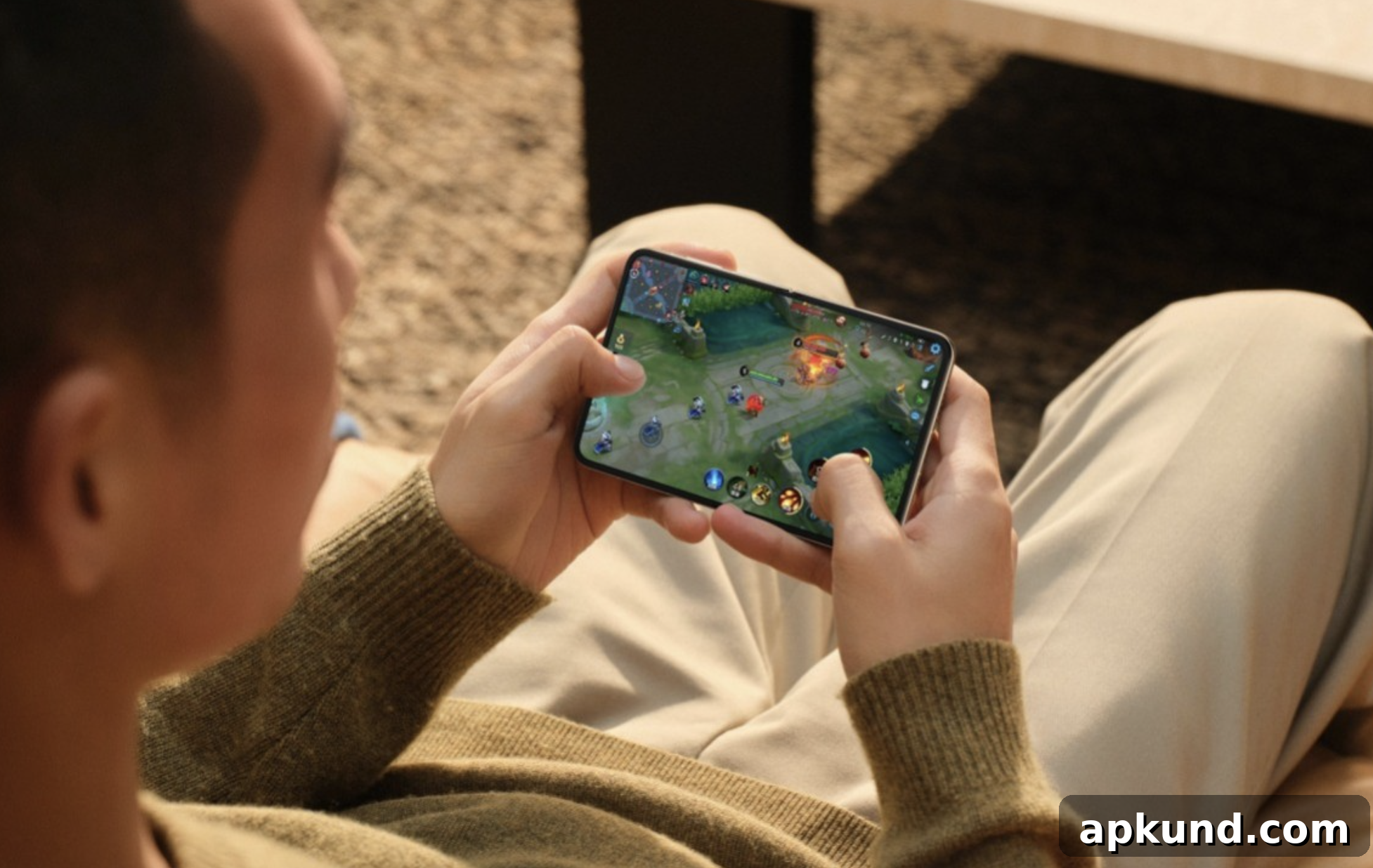
Part of what made the Huawei Pura X and Pura X Max distinctive was their hinge. The wide 16:10 display delivered a compelling tablet-like experience while the fold allowed the devices to close into a compact, pocketable shape. Remove the hinge and the equation changes: you get a wide slab that can’t compress into a narrower form. That reality is central to recent leaks suggesting Huawei may be testing a wide-screen phone that does not fold — essentially a wide 16:10 handset built as a single rigid slab rather than a foldable device.
The practical implications are immediate. Most smartphones remain tall and narrow because that shape fits pockets and feels comfortable in one hand. Wide-screen foldables escape this constraint by folding shut; when closed they become comparable to conventional phones in width. A non-folding wide-screen phone removes that advantage. Unless you carry a bag or have unusually deep pockets, a 16:10 slab will feel bulkier and less convenient to carry. That trade-off won’t put every buyer off — many people already carry tablets or prioritize screen real estate over pocket-friendliness — but it introduces a real compromise compared with standard slabs and foldables.
What the Leak Actually Says
According to a trusted tipster on Weibo, Huawei is reportedly testing a 6.39-inch OLED phone with a 16:10 aspect ratio. The prototype is said to use a next-generation Kirin chip and include a very large battery capacity in the region of 7,000mAh. Early reports describe the engineering sample as thin and lightweight for its screen size, which would help mitigate some carry discomfort. The leak suggests a potential Q4 2026 launch, possibly after Huawei’s customary flagship refresh later in the year.
These details should be viewed as provisional. Prototypes in testing frequently change, and companies often tweak specs before launch. Huawei also typically prioritizes the Chinese market for early releases, so availability outside China remains uncertain. Still, the combination of a 16:10 panel, a Kirin-based platform, and an unusually large battery paints a clear picture of the company exploring a niche: delivering expansive screen space without the engineering complexity of a folding hinge.
For consumers, the decision will come down to priorities. A wider, single-pane display offers consistent durability and a simpler build compared with foldables, which can appeal to users concerned about hinge longevity or crease visibility. A large 7,000mAh battery would also be a major selling point for power users and travelers who prioritize endurance over ultra-slim design. Conversely, those who value pocketability and one-handed use may find the non-folding wide format harder to accept.
Huawei’s track record matters in this context. The original Pura X family initially looked like a novelty to some observers; yet it sold a substantial number of units and demonstrated that there is consumer interest in nontraditional form factors when they are executed well. That history gives Huawei some credibility to experiment again. If the company can balance ergonomics, weight, and battery life while delivering compelling software optimizations for a wider display, a wide non-foldable could carve out its own niche.
From a design and engineering perspective, there are trade-offs and opportunities. A rigid wide-screen phone can simplify internal architecture and potentially improve thermal performance compared with foldables, and it removes hinge-related points of failure. On the other hand, manufacturers will need to address hand-hold comfort, accidental touches, and case and accessory compatibility. Software must also adapt to make the best use of the broader aspect ratio, whether through multitasking, media playback, or redesigned UI elements that take advantage of extra horizontal space.
In short, the leaked prototype hints at a bold experiment: a wide-screen Huawei phone that rejects folding in favor of a single, expansive OLED surface. It remains an unconfirmed device in the testing phase, and many details could shift before any official announcement. Still, Huawei’s willingness to explore unconventional formats means this concept is worth watching — particularly for users who value large displays and battery life more than pocket-first convenience.