
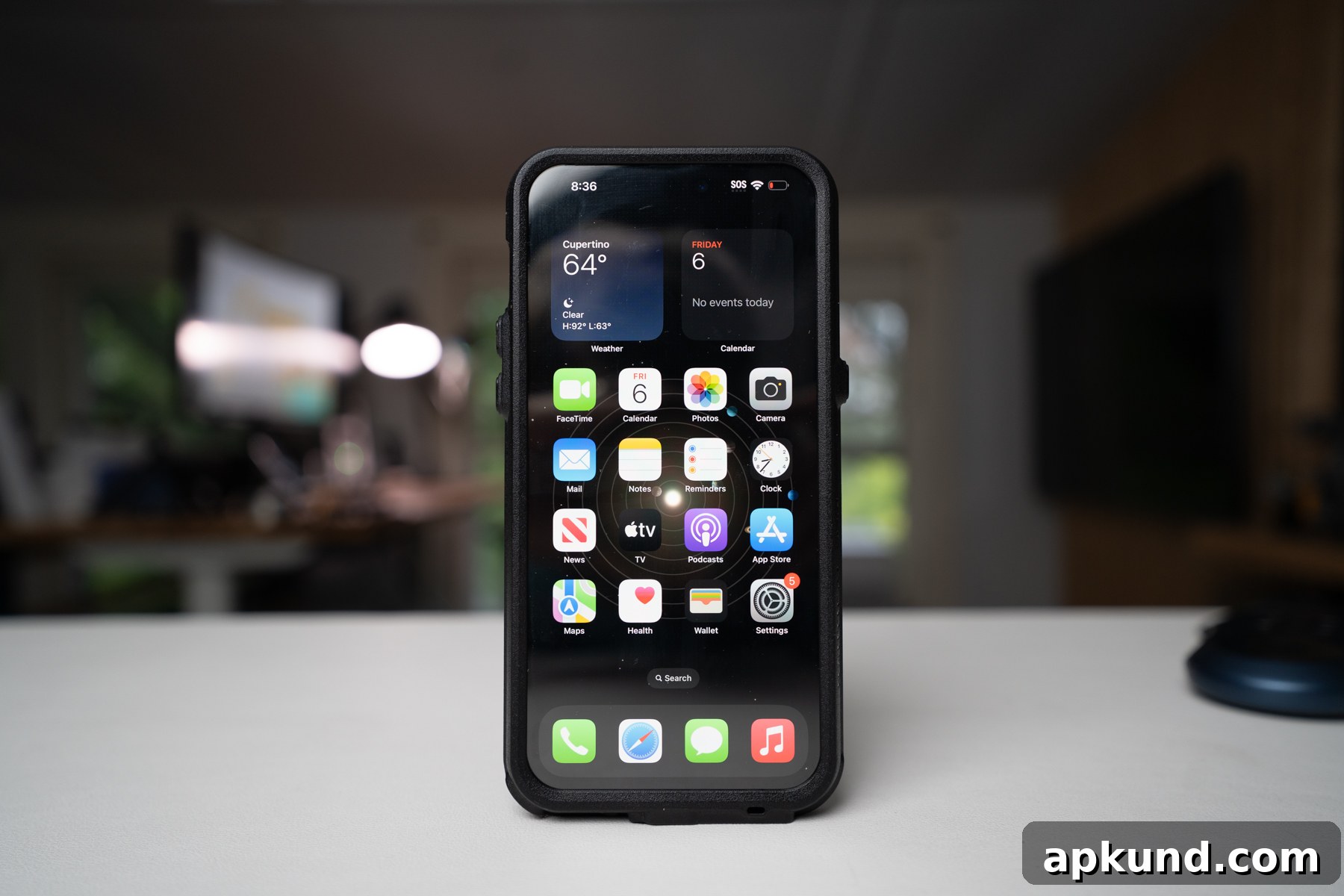
If you watched Apple’s WWDC 2026 keynote, it was easy to get excited. Siri AI appeared genuinely capable for the first time, managing multi-step tasks and pulling context from across apps in ways third-party assistants currently can’t match. Apple dedicated much of the keynote to demonstrating these capabilities. But there’s a big catch: if you don’t have the right iPhone, none of this will apply to you.
Siri AI requires an iPhone with at least an A17 Pro chip and 8GB of RAM, which means the minimum compatible device is the iPhone 15 Pro. Any iPhone model older than that — including the standard iPhone 15, iPhone 15 Plus, the entire iPhone 14 line, and older models — will not support Siri AI. Those devices can still install iOS 27, so owners will receive the latest operating system and many new features, but Apple’s flagship AI feature simply won’t be available to them.
Not Every iPhone Made the Cut
That limitation affects a large number of users. Models like the iPhone 13 and iPhone 14 remain widely used around the world, yet they don’t qualify for Siri AI. Apple’s long-standing practice of delivering years of software updates is one reason many customers stay with their devices — but support for the operating system and compatibility with advanced on-device AI are now two separate things. You can run iOS 27 on an iPhone 12, for example, but Siri AI requires hardware that arrived in later generations.
Apple’s hardware requirements are grounded in reality: on-device AI models need substantial compute power and memory. The company has stated that an A17 Pro chip paired with 8GB of RAM is the minimum for Siri AI to operate reliably. That cutoff isn’t arbitrary, but it does leave millions of users without access to a major software milestone that Apple showcased as a centerpiece of its annual event.
Even among Siri AI–compatible iPhones, the user experience will vary. Apple’s most capable on-device model needs 12GB of RAM, which means only some models will receive the full suite of features. Devices such as the iPhone Air, iPhone 17 Pro, and iPhone 17 Pro Max meet that higher RAM threshold and will get the top-tier experience. Owners of the standard iPhone 17, iPhone 15 Pro, and other compatible models will have Siri AI, but they won’t have access to the most advanced on-device model and its highest performance levels.
Location also matters. Users in the European Union face a different situation: Apple confirmed at WWDC that Siri AI will not be available on iPhone or iPad in Europe when iOS 27 launches. The company cited the Digital Markets Act, which requires equal deep system access for third-party virtual assistants — access Apple says it cannot safely provide under current rules. Regulators rejected Apple’s proposed workarounds, so iPhone and iPad users in the EU will have to wait for a separate solution. Apple has said Siri AI will still reach Mac and Apple Watch users in that region, but iPhone and iPad are excluded for the time being.
The split in compatibility highlights a growing divide in the smartphone ecosystem: software updates and headline features are no longer synonymous. While many iPhones will continue to receive iOS 27 and security updates, the most transformative experiences driven by on-device AI will be limited to newer, higher-spec hardware — and even then, regional regulations can block availability. For users with older devices who were expecting Apple’s biggest software reveal in years, the takeaway is clear: enjoying the full Siri AI experience will require newer hardware, and for some, patience as Apple navigates regulatory challenges.