
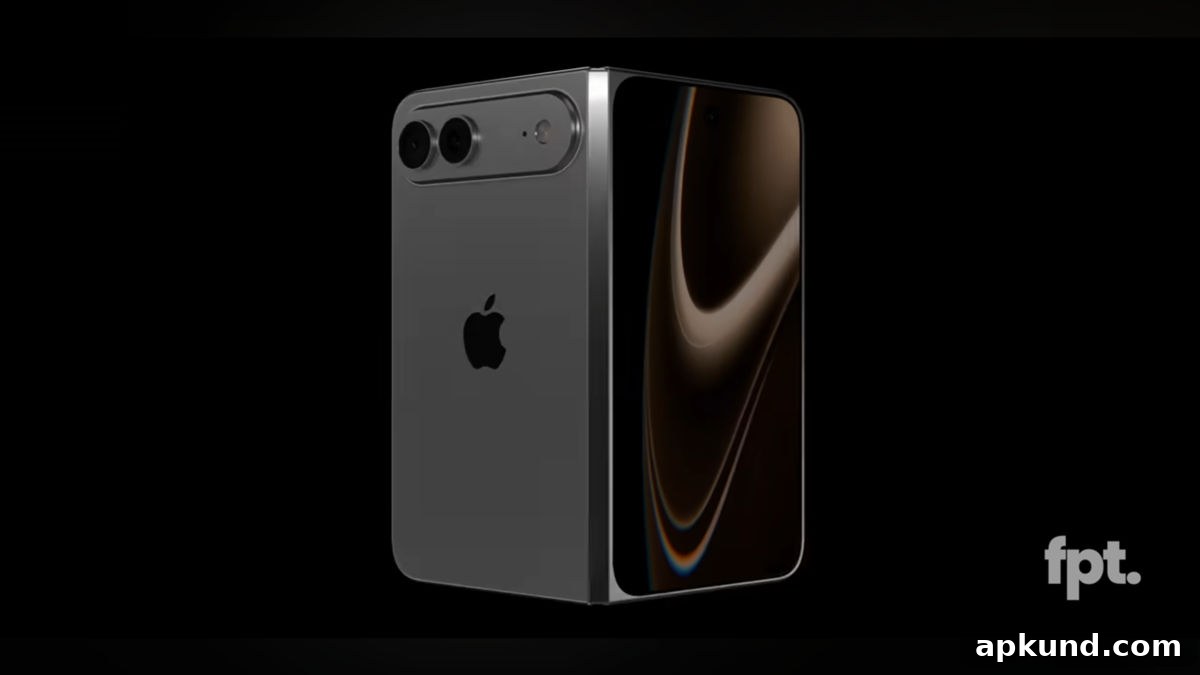
Apple’s rumored foldable iPhone, widely expected to be called the iPhone Ultra, may debut without a dedicated Apple Pencil. According to Bloomberg’s Mark Gurman, Apple built and tested a stylus for the device but ultimately decided not to bring it to market.
That absence would be notable for a device rumored to start around $2,000 and climb past $2,500 for higher-capacity models. If you’re weighing whether to buy the iPhone Ultra, the lack of a matching stylus is worth considering—especially if you hoped to use the larger unfolded screen for note-taking, sketching, or precise navigation.
Why Apple built one, then backed away
Gurman reports that Apple’s prototype stylus was shorter and stubbier than the Apple Pencil models sold for iPad. Engineers designed it to attach magnetically to the side of the foldable iPhone so it could store and charge while docked. In testing, however, the team encountered two main problems: a stylus attached to the edge interfered with opening the folding display, and it left marks on the foldable’s more delicate inner screen.
Both issues carry practical consequences. A pen that creates scuffs or smudges on an inner folding display undermines long-term screen durability and user satisfaction. Likewise, any accessory that obstructs the folding mechanism risks a less fluid experience for a phone whose primary appeal is its large, flexible display. Those engineering and user-experience trade-offs appear to be the core reasons Apple shelved the stylus plan for now.
There’s also a thread of historical irony. Steve Jobs famously ridiculed phone styluses when he introduced the original iPhone in 2007, and Apple has largely held to that stance for the iPhone line ever since. That position sits alongside Apple’s substantial accessory ecosystem for iPad, where the Apple Pencil has been a central input method for drawing, annotating documents, and handwriting. The company’s reluctance to add pencil support to iPhone has been consistent, but a foldable iPhone with a tablet-sized interior display seemed like an exception where a stylus might make sense.
Samsung, by contrast, includes a built-in S Pen in its Galaxy Ultra phones and some foldables, providing users with a ready-to-use stylus that doesn’t require pairing or separate charging. The iPhone Ultra is expected to offer a screen size roughly comparable to an iPad mini when unfolded. Skipping a stylus on a device with that much usable screen area feels, to many observers, like a missed opportunity—especially for creatives, students, and professionals who value pen input on mobile devices.
What this means if you’re considering one
Apple has not confirmed these reports, and the company could change course before the product announcement at its rumored September 9 event. Still, if the availability of a stylus or Apple Pencil-style input was a deciding factor in choosing the iPhone Ultra over an iPad or a Samsung foldable, it’s prudent to temper expectations. For now, buyers should plan around the possibility that the foldable iPhone will not ship with a first-party stylus.
Practical alternatives could include third-party styluses compatible with capacitive screens, though those rarely match the latency, pressure sensitivity, and feature set of a native solution like Apple Pencil or Samsung’s S Pen. If pen input is essential to your workflow, an iPad or a phone that includes an integrated stylus may still be the better choice until Apple revisits the idea.
In short, the rumored iPhone Ultra promises a large, flexible display and premium hardware, but the absence of a tailored stylus—despite internal testing—means prospective buyers should weigh how important pen-based interaction is to their use case before committing to a high-priced foldable iPhone.